Pest guide
Ticks
Ticks are blood-feeding arachnids that wait on grass tips and brush for a host to pass. They can transmit Lyme disease, Rocky Mountain spotted fever, and other serious illnesses. Quick removal (within 24 hours) dramatically reduces disease transmission risk.
01 — Identification
What ticks look like

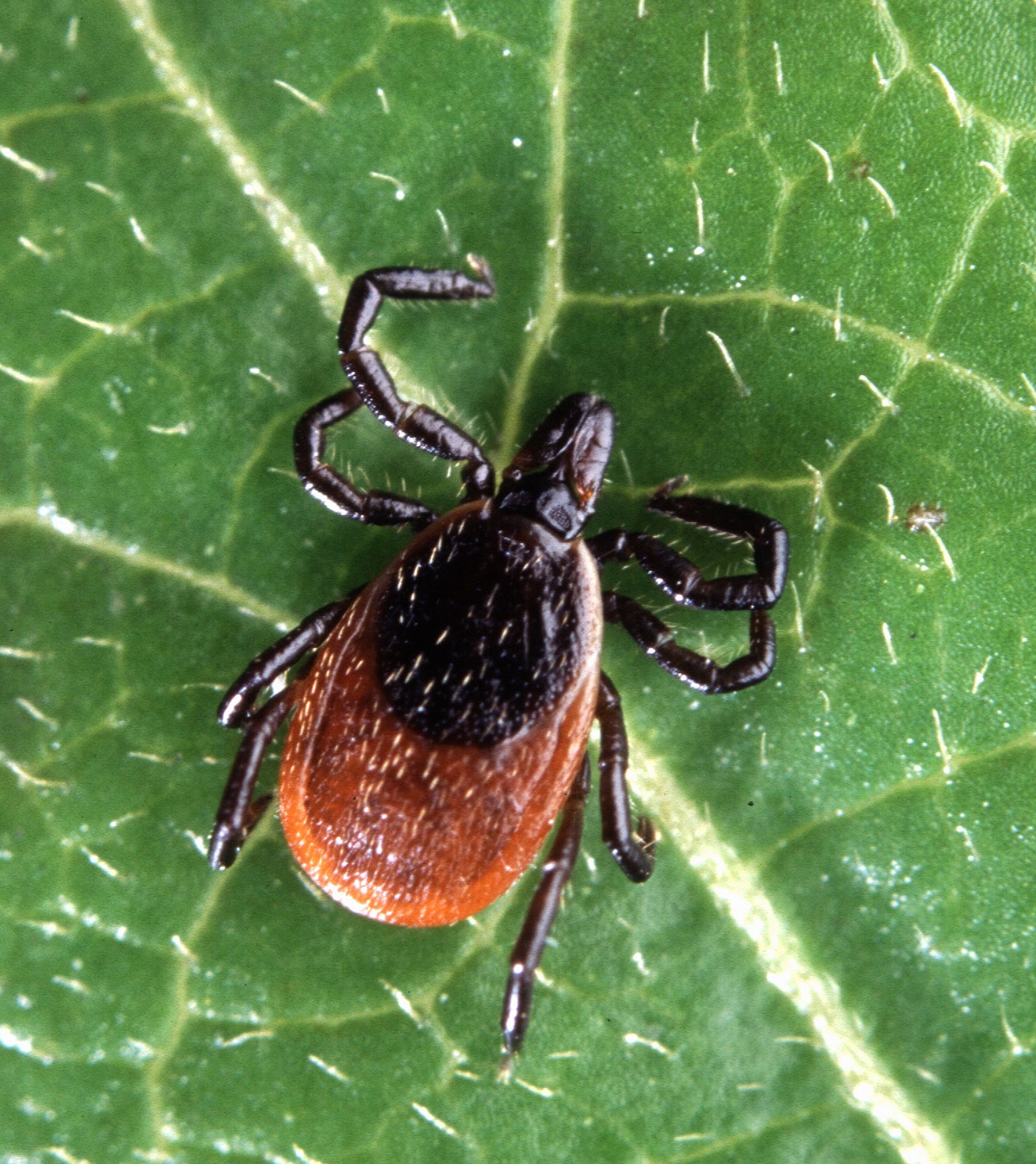

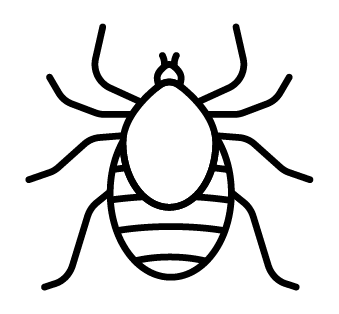
Size
Unfed adults 1/8"–1/4"; engorged adults up to 1/2".
Color
Brown, reddish-brown, or gray; deer ticks are dark with red abdomen.
Shape
Flattened oval before feeding; balloon-shaped when engorged. Eight legs.
How to tell them apart
- Deer (blacklegged) tick: tiny, dark, primary Lyme vector.
- American dog tick: larger, brown with white markings.
- Lone star tick: female has a single white spot on the back.
02 — Life cycle
How they grow and reproduce
Two-year life cycle through four stages. Each stage needs one blood meal to advance.
- 1
Egg
2–10 weeks
Laid in leaf litter; thousands per female.
- 2
Larva
3–11 months (overwinters)
Six-legged; first blood meal from small mammals.
- 3
Nymph
1–3 months active
Most likely stage to bite humans; very small.
- 4
Adult
Up to 3 years
Mates and lays eggs; feeds on deer or large hosts.
03 — Risks & behavior
What to watch for
Health risks
- Lyme disease (deer tick) — bullseye rash, joint pain, fatigue.
- Rocky Mountain spotted fever (American dog tick) — fever, rash, serious if untreated.
- Alpha-gal syndrome (lone star tick) — red meat allergy.
- Anaplasmosis, babesiosis, ehrlichiosis depending on species and region.
Home & property risks
- Pets can carry ticks indoors and bring them onto bedding.
- Yards bordering wooded areas often have established tick populations.
Behavior at a glance
Diet
Blood — small mammals as larvae, larger hosts as adults.
When active
Day-active; 'quest' from grass tips with front legs extended.
Peak season
Most active April–October; some species active in mild winters.
- Ticks don't jump or drop from trees — they wait at ankle to knee height in grass and brush.
- Mice are key reservoirs for Lyme bacteria; reducing mice reduces disease risk.
04 — Treatment
How to get rid of ticks
Create a treated yard perimeter, manage leaf litter, and use a tick preventive on pets.
- 1
Spray a cedar/rosemary yard spray on lawn edges and shaded borders every 3–4 weeks.
- 2
Clear leaf litter and tall grass from the yard perimeter.
- 3
Treat pets with a vet-approved tick preventive year-round.
- 4
Do a tick check after every outdoor activity; shower within 2 hours of coming inside.
Recommended products
 32 OZ
32 OZBugOut! Laundry Additive
From $31.99
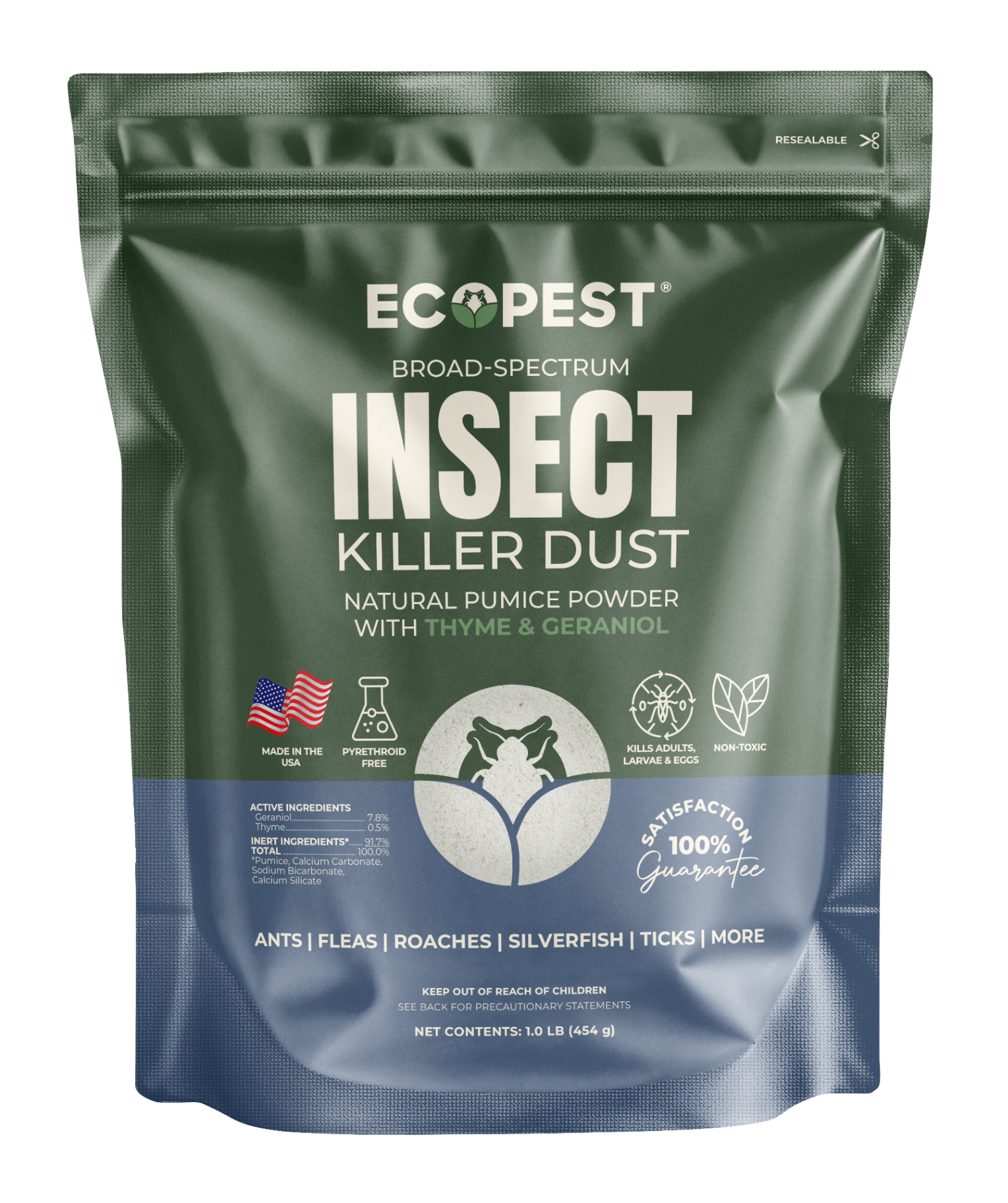 1 LB
1 LBBROAD-SPECTRUM
INSECT KILLER DUST
From $19.99
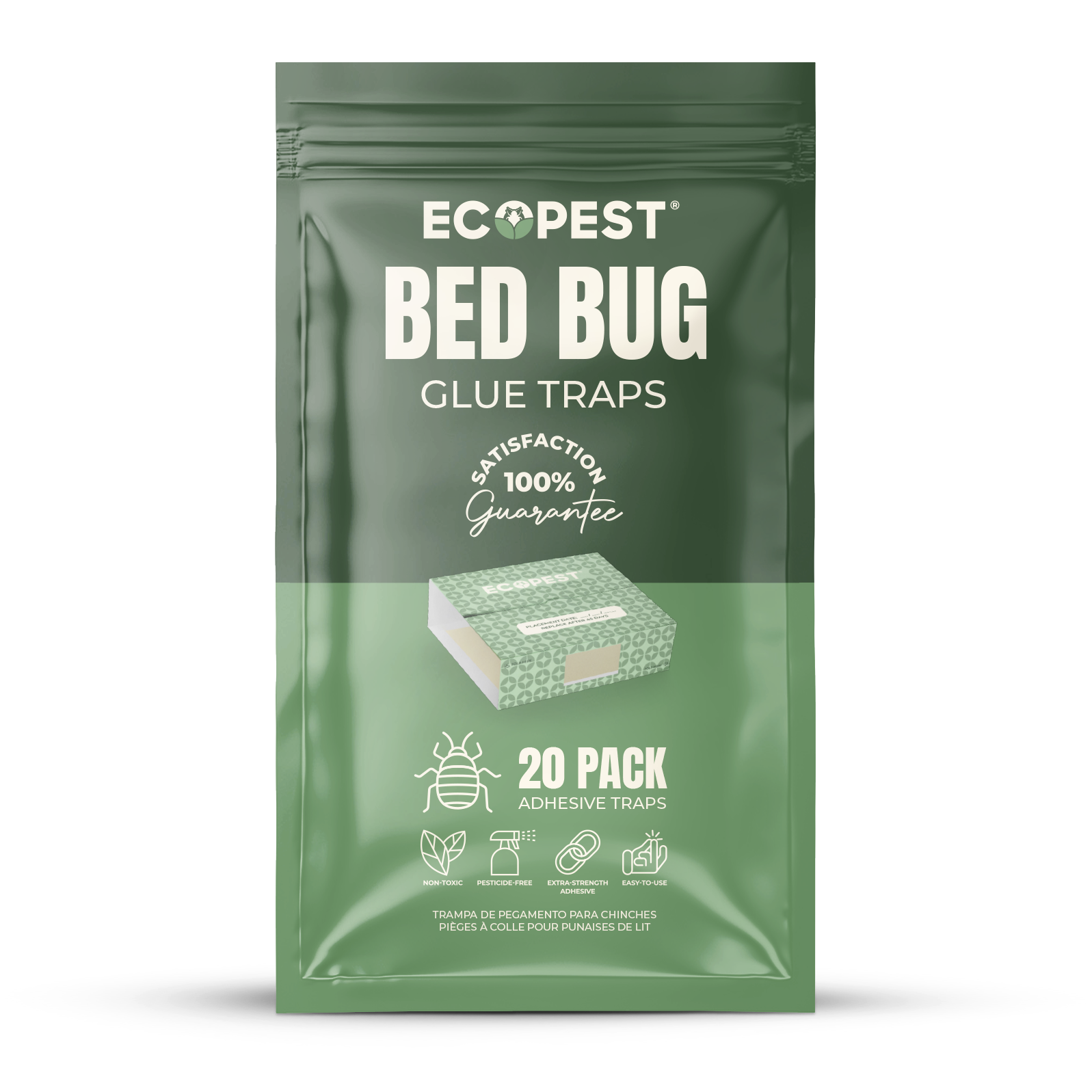 20-PACK
Bed Bug Glue Traps
From $17.99
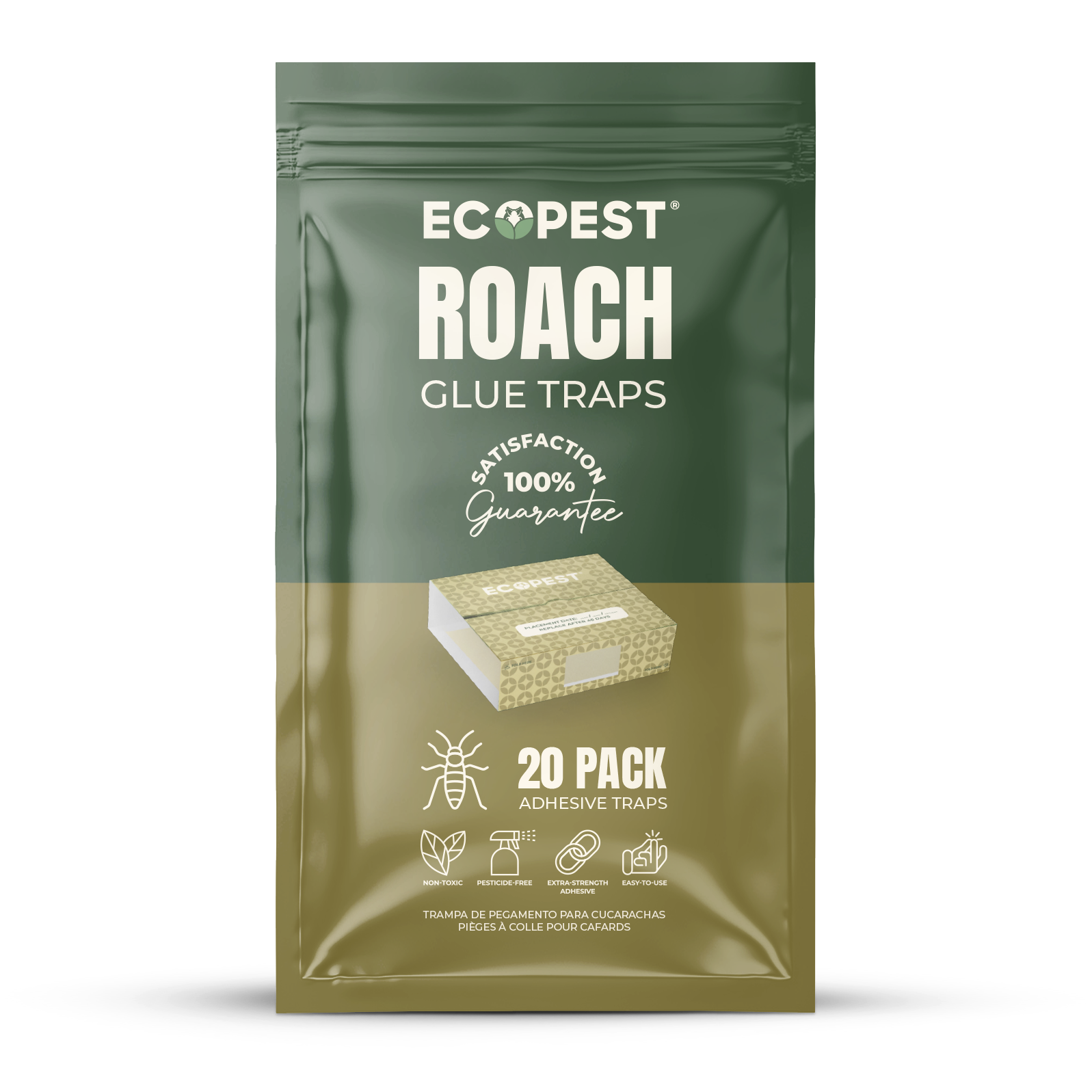 20-PACK
Roach Glue Traps
From $17.99
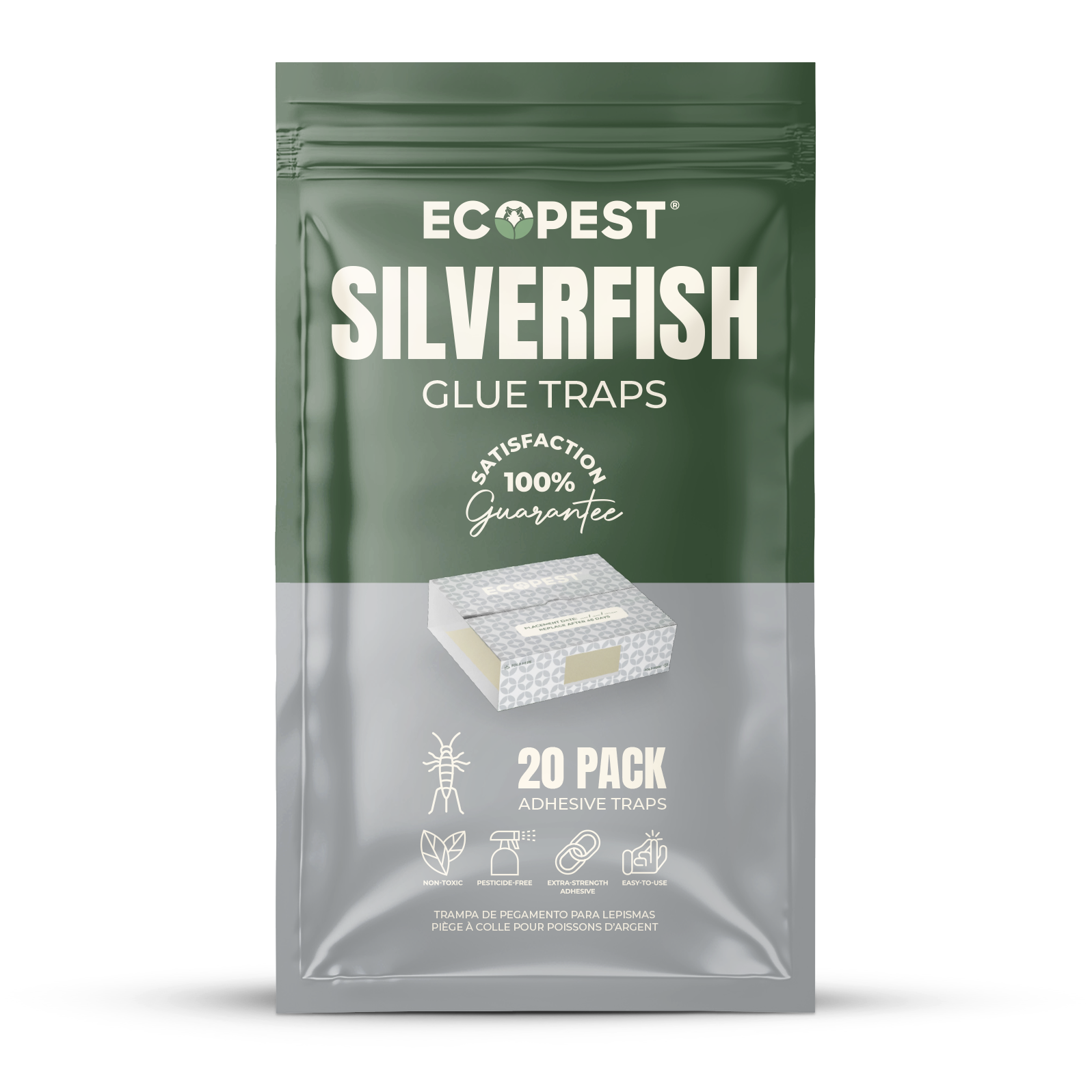 20-PACK
Silverfish Glue Traps
From $17.99
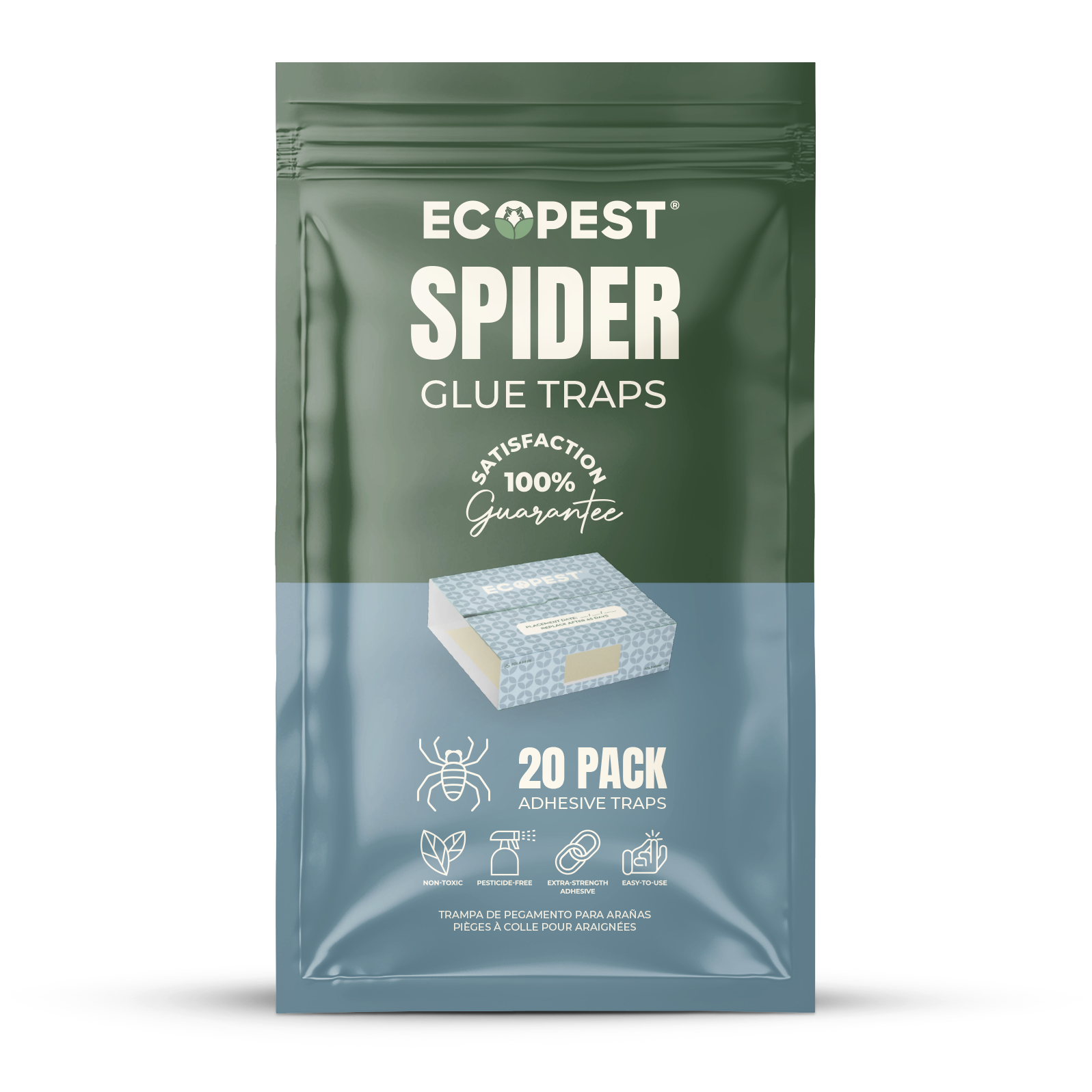 20-PACK
Spider Glue Traps
From $17.99
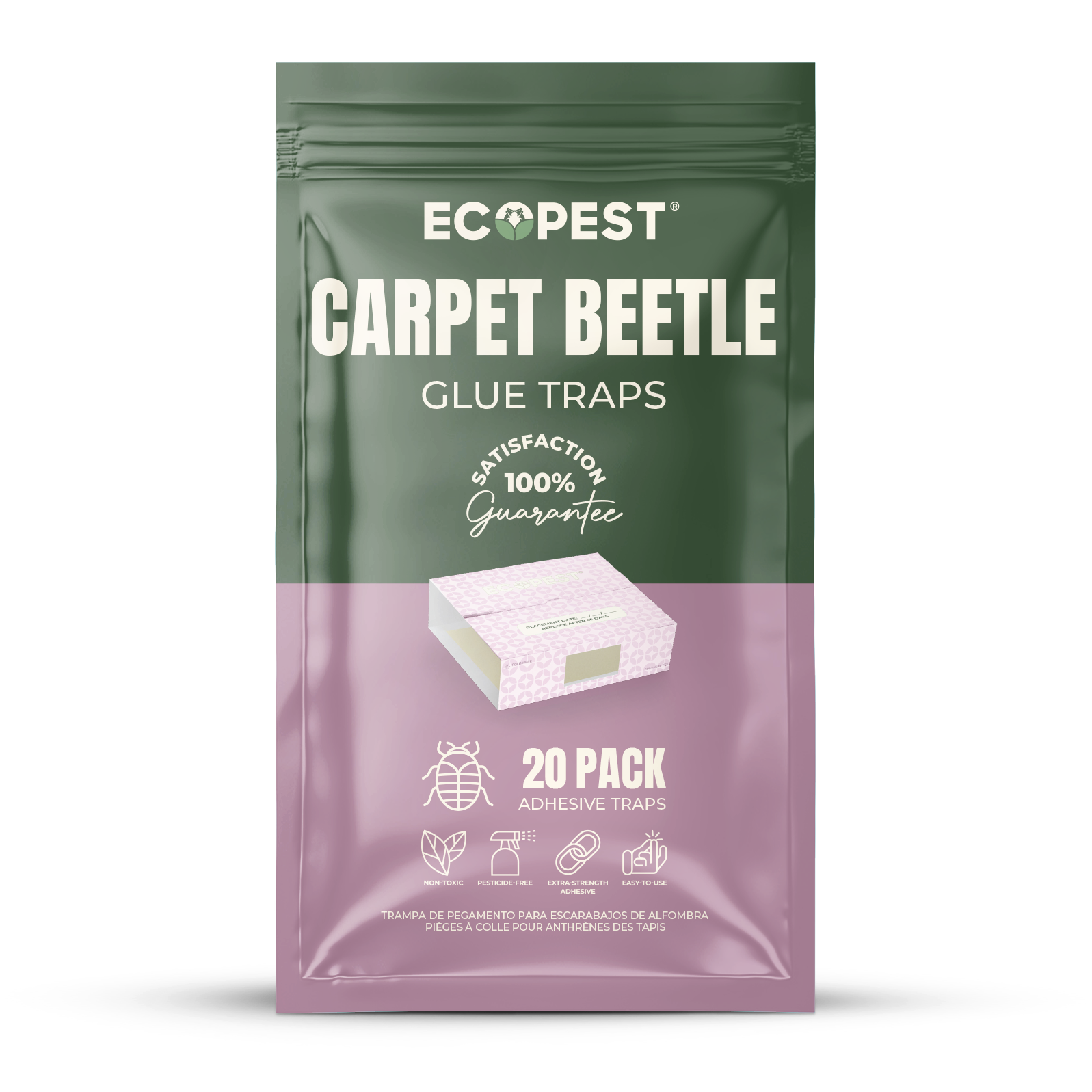 20-PACK
Carpet Beetle Glue Traps
From $17.99
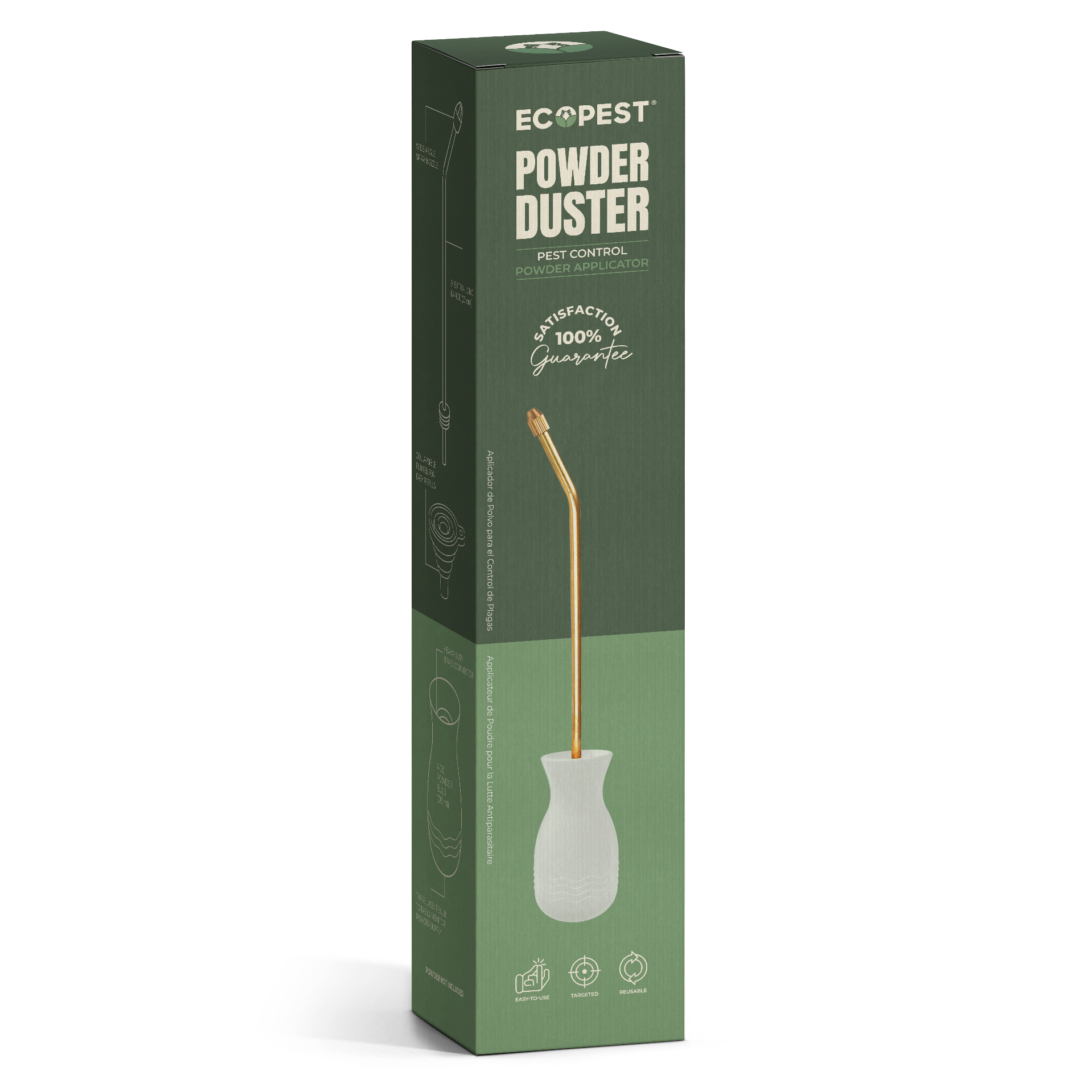 4 OZ
4 OZPowder Duster
From $19.99
 9 OZ
9 OZPowder Duster (Max)
From $22.99
Sometimes infestations need professional help
If your infestation has grown beyond what DIY treatment can handle, EcoPest partners with top-rated local exterminators who can provide free, no-obligation quotes.
Find Local Pros05 — Prevention
Keep them from coming back
- Mow lawn weekly.
- Clear leaf litter from yard edges.
- Treat yard borders each spring.
- Wear permethrin-treated clothing and check for ticks after outdoor activity.
06 — FAQs
Frequently asked questions
How do I safely remove a tick?+
Use fine-tipped tweezers, grasp as close to the skin as possible, and pull straight up with steady pressure. Clean the bite with soap and water.
How long does a tick need to be attached to transmit Lyme?+
Generally 24–48 hours for Lyme — removing ticks within 24 hours dramatically reduces risk. Some other diseases can transmit faster.
Can ticks live in my house?+
Most species can't reproduce indoors. The brown dog tick is the exception and can establish full life cycles in homes with dogs.