Pest guide
Cockroaches
Cockroaches are among the most adaptable household pests. They reproduce rapidly, hide in voids and warm appliances, and contaminate food surfaces with bacteria and allergens. Spotting one during the day usually means there are many more out of sight.
01 — Identification
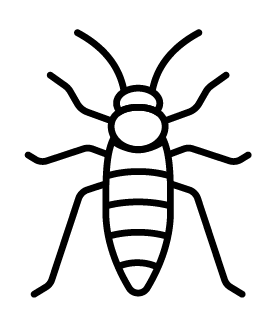
What cockroaches look like

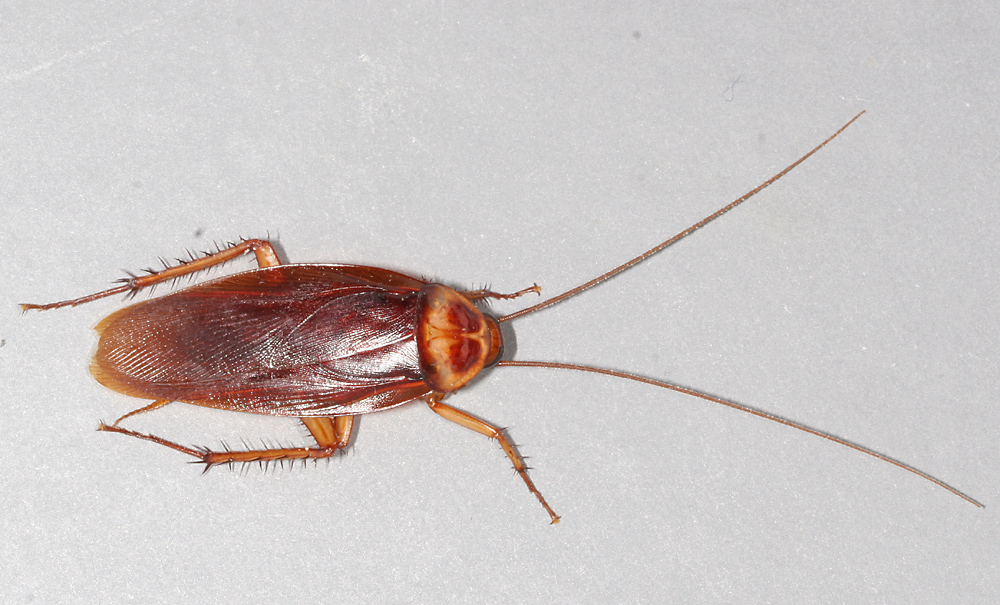

Size
German: 1/2"; American: 1.5"+; Oriental: 1".
Color
Light tan (German) to reddish-brown (American) to dark brown/black (Oriental).
Shape
Flat, oval; long antennae; spiny legs.
How to tell them apart
- German roaches have two dark stripes on the pronotum.
- American roaches have a yellow figure-8 mark.
- Egg cases (oothecae) are dark brown and purse-shaped.
02 — Life cycle
How they grow and reproduce
German roaches go from egg to adult in about 100 days. A single female can produce 300+ offspring annually.
- 1
Egg case
14–30 days
Carried by female (German) or deposited (American).
- 2
Nymph
6–12 weeks
Wingless; molts 5–7 times.
- 3
Adult
6–24 months
Reproduces continuously.
03 — Risks & behavior
What to watch for
Health risks
- Cockroach droppings and shed skins are major asthma triggers, especially in children.
- Mechanical vector for Salmonella, E. coli, and other bacteria.
Home & property risks
- Contaminated food prep surfaces.
- Greasy smear marks along walls and behind appliances.
- Persistent musty odor in heavy infestations.
Behavior at a glance
Diet
Omnivorous — food scraps, grease, glue, paper, soap, even hair.
When active
Nocturnal; hide in warm, humid, dark voids.
Peak season
Year-round indoors; outdoor species more visible in summer.
- They prefer 70–80°F and high humidity — kitchens, bathrooms, basements.
- Resistant to many synthetic pesticides; rotation and IGRs help.
04 — Treatment
How to get rid of cockroaches
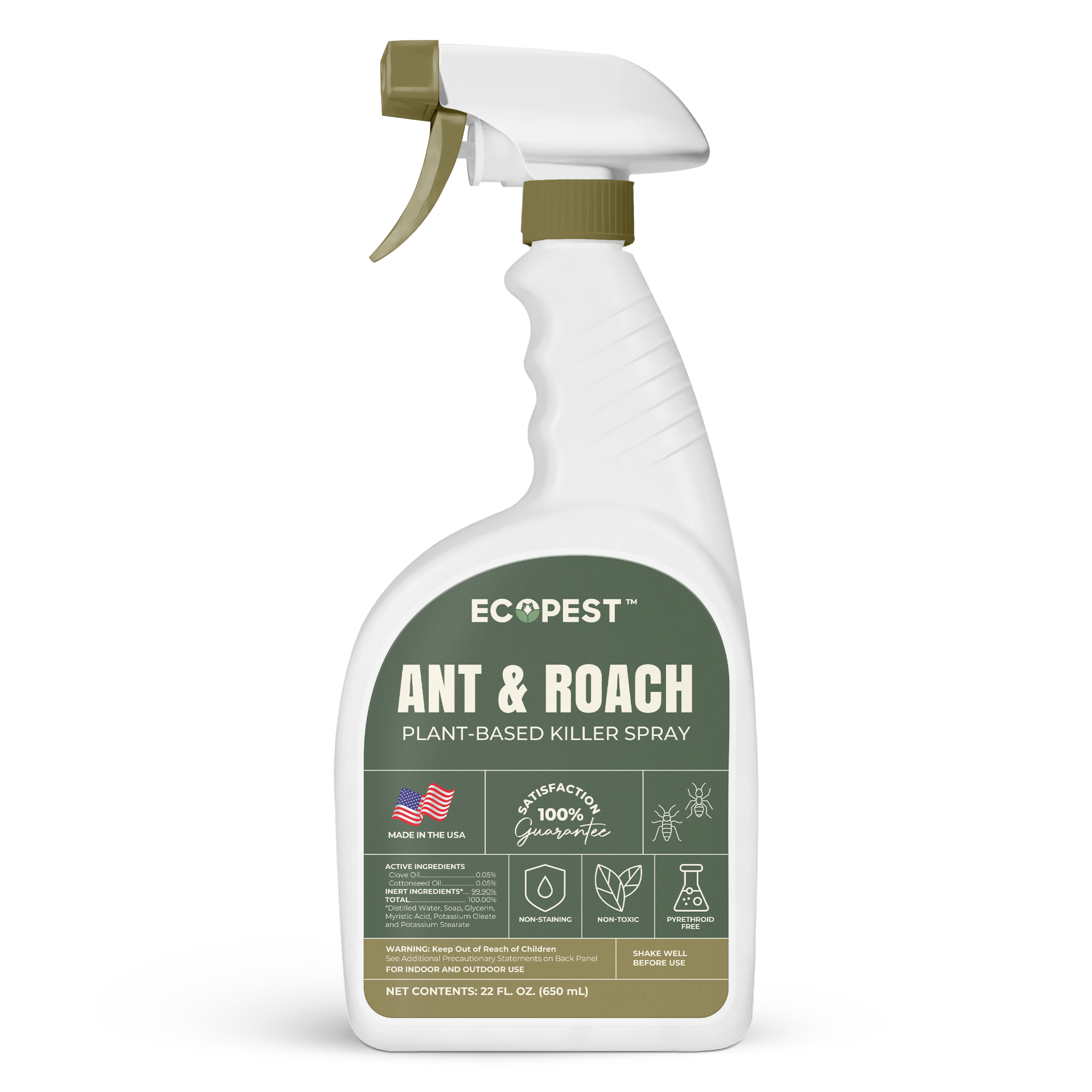
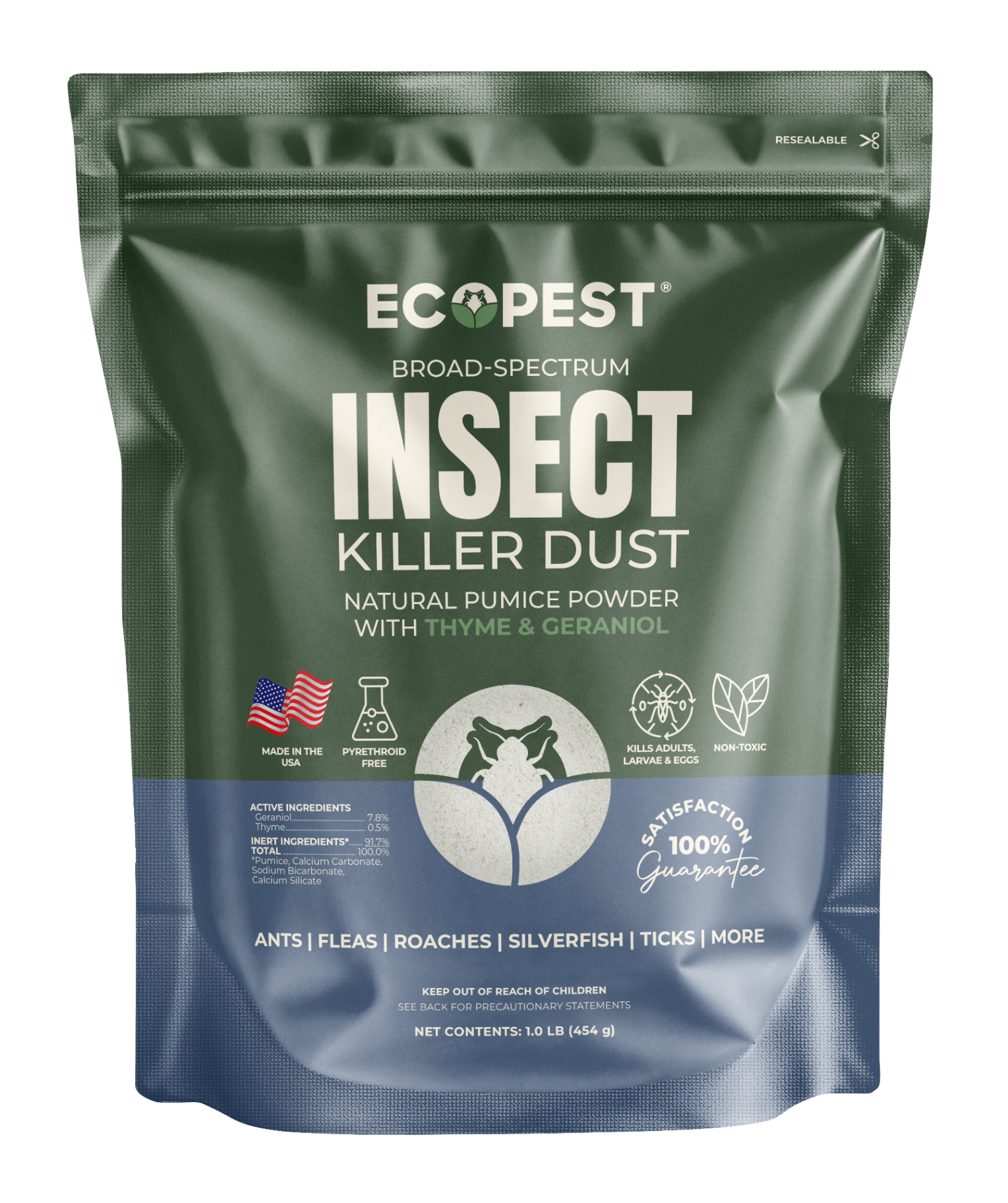
Combine sanitation, gel bait, and a contact spray for harborages. Monitoring traps confirm success.
- 1
Eliminate water sources — fix drips, dry sinks at night.
- 2
Apply gel bait in cracks near appliances, under sinks, behind toilets.
- 3
Treat harborages (behind fridge, in cabinet voids) with a contact spray.
- 4
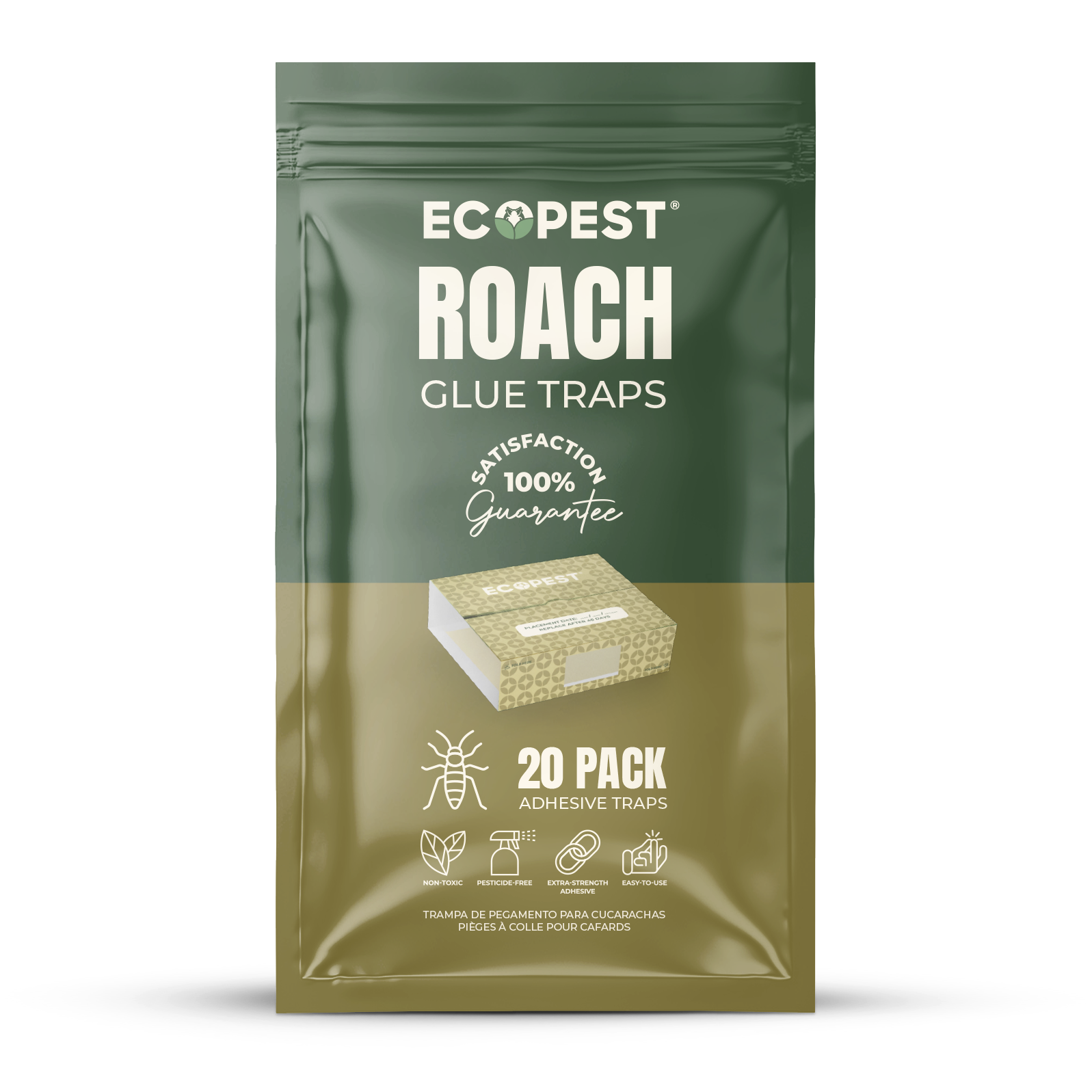
Place sticky monitors and check weekly to track activity.
Recommended products
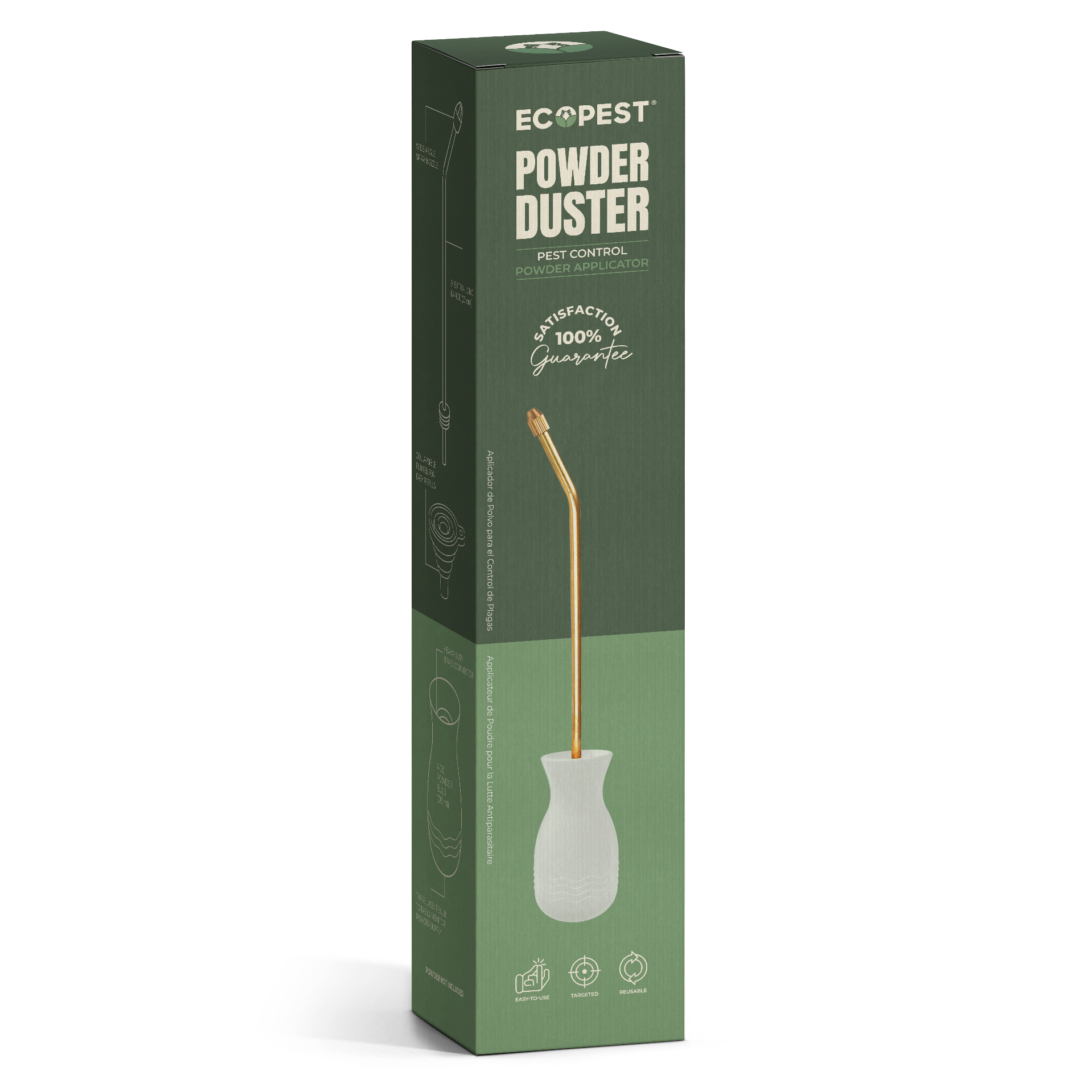
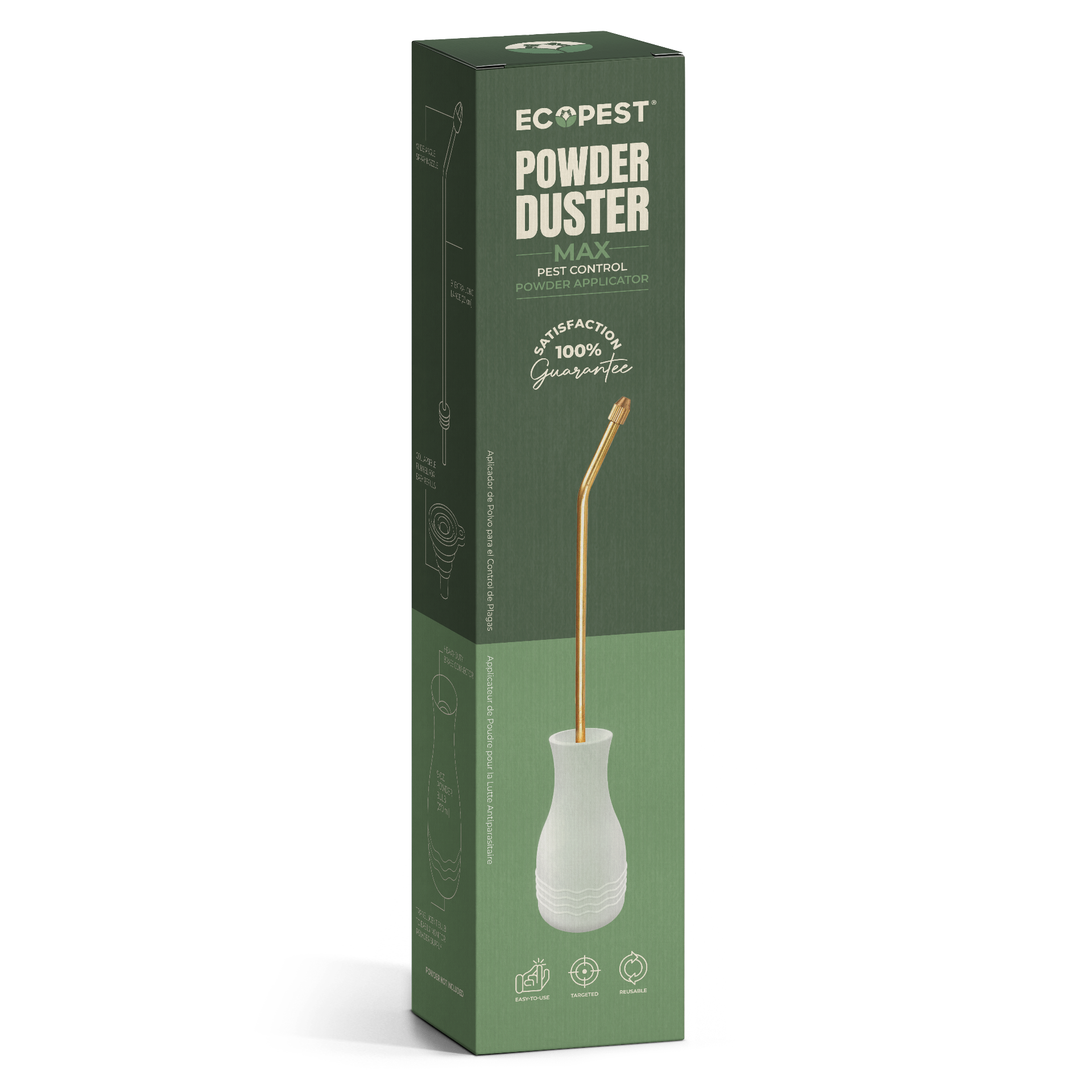
Sometimes infestations need professional help
If your infestation has grown beyond what DIY treatment can handle, EcoPest partners with top-rated local exterminators who can provide free, no-obligation quotes.
Find Local Pros05 — Prevention
Keep them from coming back
- Fix dripping pipes and trapped moisture.
- Empty pet bowls overnight.
- Run the dishwasher each evening and take out trash daily.
- Seal cracks behind cabinets and around plumbing penetrations.
06 — FAQs
Frequently asked questions
Why do I only see roaches at night?+
They're strongly nocturnal. Daytime sightings often mean the population has grown large enough that some can't find hiding space at night.
Are roaches dangerous?+
They don't bite, but they're significant allergen and asthma triggers and can mechanically spread bacteria across food surfaces.
Do bug bombs work?+
Foggers rarely reach the cracks where roaches live and can scatter populations to new rooms. Targeted gel bait and crack treatment work better.