Pest guide
Fleas
Fleas are wingless, blood-feeding insects with powerful jumping legs. They typically arrive on pets or wildlife and quickly establish in carpets, pet bedding, and yard shade. Only about 5% of a flea infestation is adult fleas — the rest are eggs, larvae, and pupae hiding in fabric.
01 — Identification
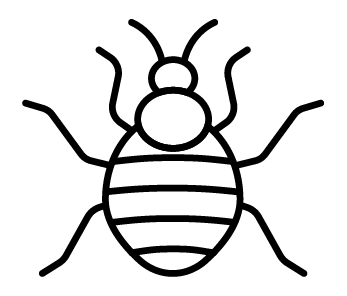
What fleas look like


Size
1/12"–1/6" (about 2 mm).
Color
Dark reddish-brown.
Shape
Laterally flattened (thin side-to-side), powerful hind legs.
How to tell them apart
- Jump up to 13 inches vertically — far further than any similar-sized insect.
- Flea 'dirt' (digested-blood feces) on pet bedding turns red when wetted.
02 — Life cycle
How they grow and reproduce
Egg to adult in 2–3 weeks under ideal conditions, or dormant pupae for months in cool conditions.
- 1
Egg
2–14 days
Laid on host; falls into bedding and carpets.
- 2
Larva
5–20 days
Worm-like; eats flea dirt and organic debris in carpet fibers.
- 3
Pupa
1 week to 1 year
Cocooned and dormant; resists insecticides.
- 4
Adult
2–3 months
Feeds within hours of emerging.
03 — Risks & behavior
What to watch for
Health risks
- Itchy bites, typically around ankles and lower legs.
- Flea allergy dermatitis is the most common skin condition in dogs and cats.
- Vector for tapeworms; rare vector for plague and murine typhus.
Home & property risks
- Carpet, upholstery, and pet bedding become reservoirs of eggs and larvae.
- Yard infestations re-introduce fleas after indoor treatment.
Behavior at a glance
Diet
Blood — preferring dogs, cats, rodents, and wildlife. Will feed on humans if necessary.
When active
Adults are active year-round indoors; outdoor activity peaks in warm, humid weather.
Peak season
Spring through fall outdoors; year-round in heated homes.
- Pupae can lie dormant in carpets for months and hatch when they sense vibration.
- Treat pet, home, and yard at the same time to break the cycle.
04 — Treatment
How to get rid of fleas
Treat the pet, the home, and the yard simultaneously — and repeat 2–3 weeks later to catch newly hatched fleas.
- 1
Bathe pets with flea shampoo and start a vet-approved preventive.
- 2
Wash all pet bedding hot and dry on high.
- 3
Vacuum carpets, upholstery, and under furniture daily for two weeks; dispose of the bag.
- 4
Apply a flea spray to carpets and treat shaded yard areas with granules or spray.
- 5
Repeat indoor and yard treatment in 14–21 days.
Recommended products
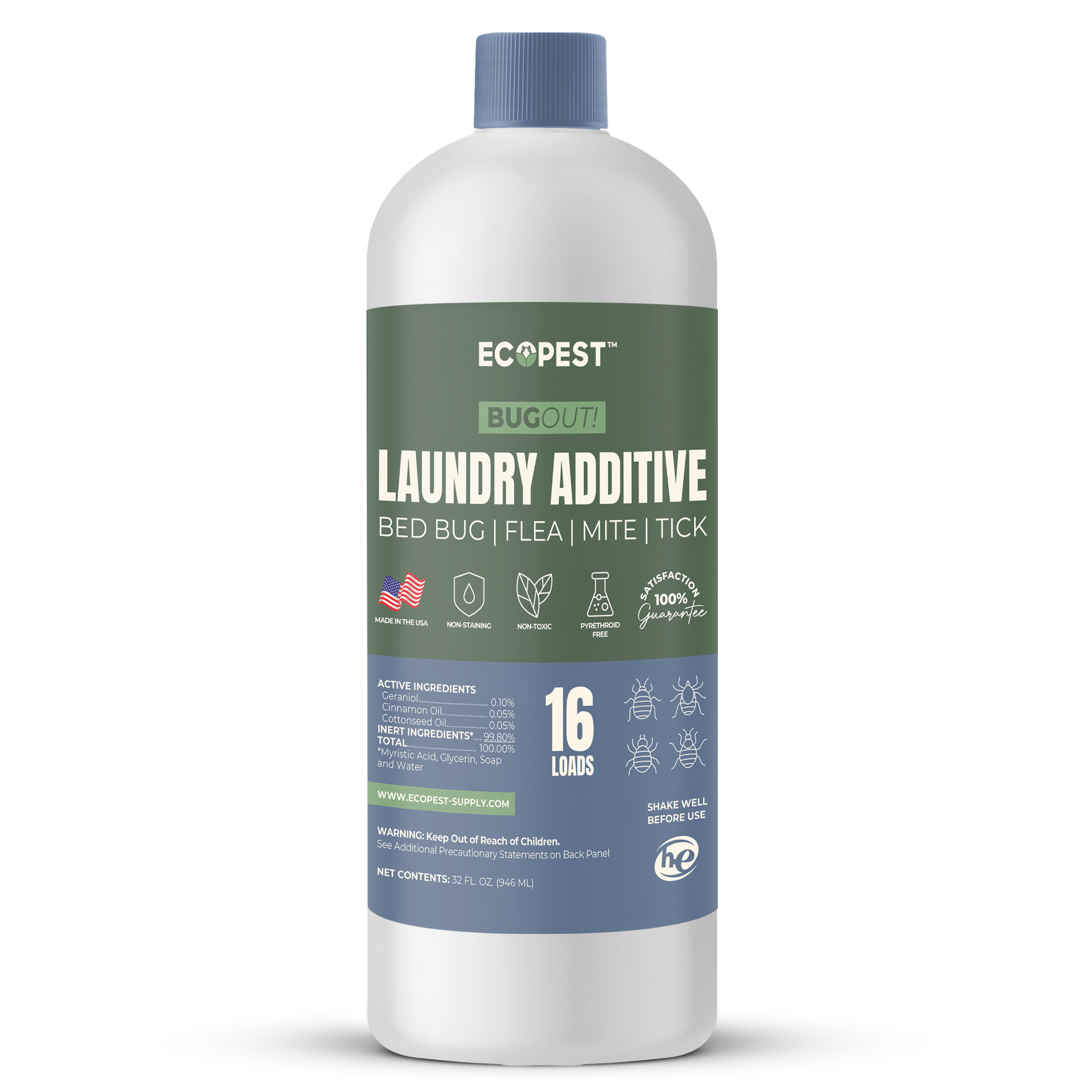
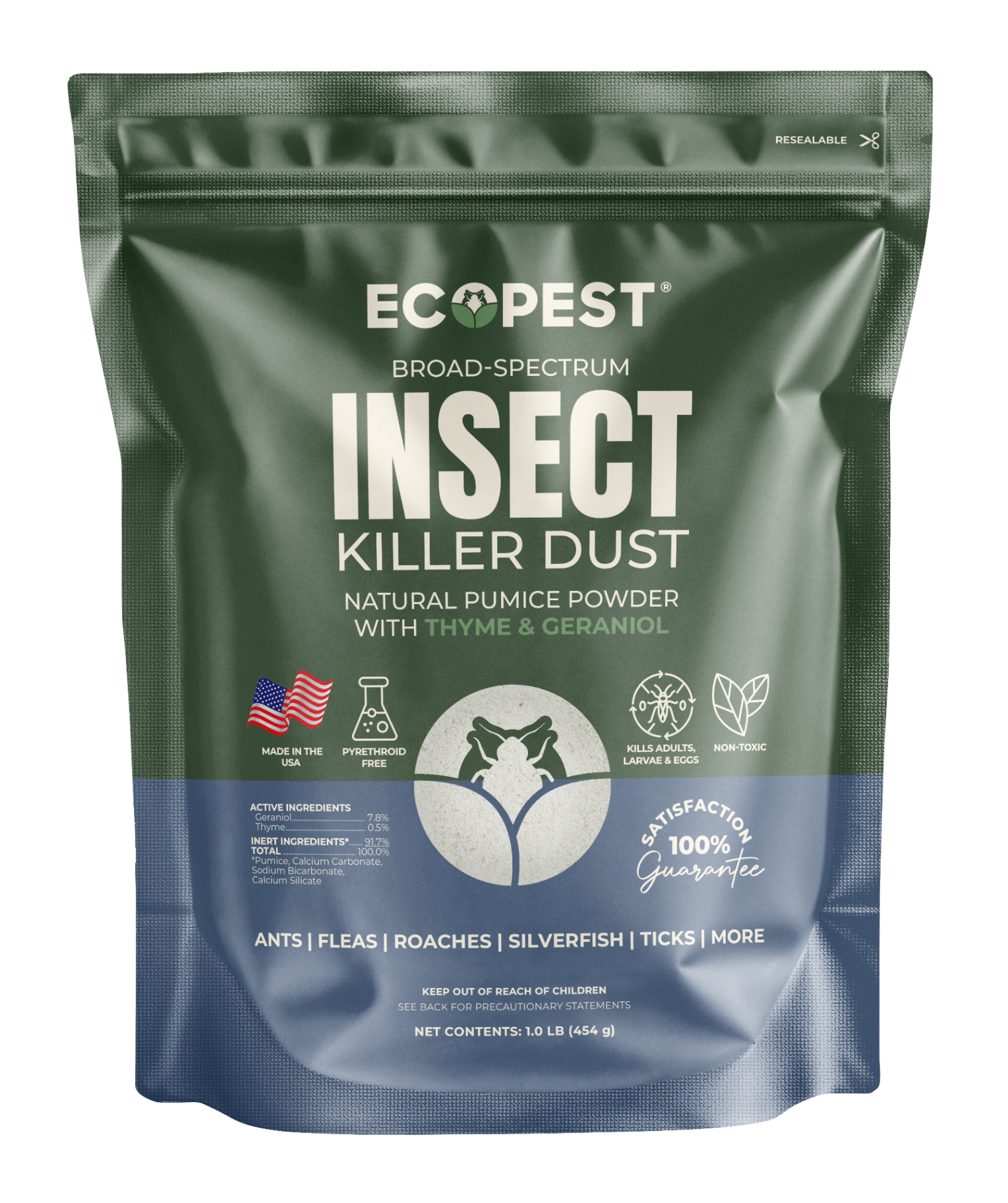
Sometimes infestations need professional help
If your infestation has grown beyond what DIY treatment can handle, EcoPest partners with top-rated local exterminators who can provide free, no-obligation quotes.
Find Local Pros05 — Prevention
Keep them from coming back
- Mow grass short and clear leaf litter.
- Wash pet bedding hot weekly.
- Treat the yard in spring and fall.
- Keep pets on a year-round flea preventive.
06 — FAQs
Frequently asked questions
Can fleas live on humans?+
They'll bite humans but rarely live on us — our body hair is too sparse. They reproduce on furred animals.
Why do I still see fleas after treatment?+
Pupae are insecticide-resistant and can hatch for weeks. Plan on 2–3 treatments spaced 2–3 weeks apart.
Do I need to treat my yard?+
Yes if pets go outside. Shaded, humid areas under decks and shrubs are the main outdoor reservoirs.