Pest guide
Carpet Beetles
Adult carpet beetles are harmless flower-feeders, but their bristly larvae are one of the most destructive household pests. Larvae eat keratin — wool, silk, fur, feathers, leather, and pet hair — and can quietly destroy heirlooms over months before anyone notices.
01 — Identification
What carpet beetles look like
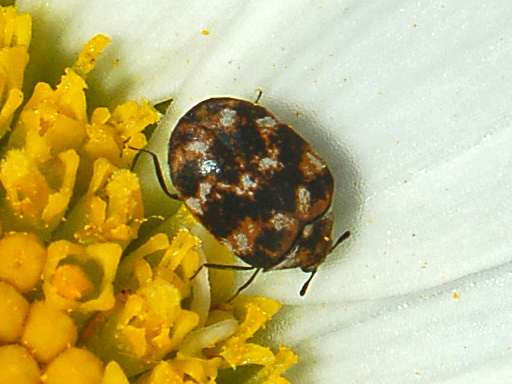
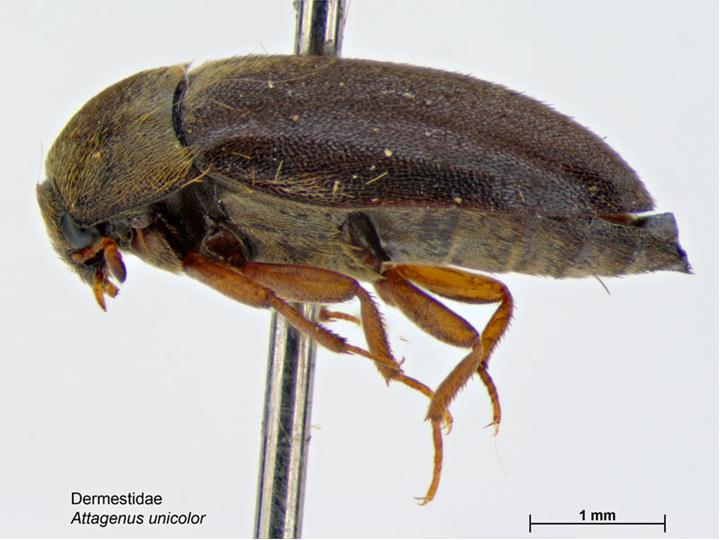

Size
Adults 1/16"–1/8"; larvae up to 1/4".
Color
Adults are mottled black, brown, white, and yellow. Larvae are tan to dark brown.
Shape
Adults are round and dome-shaped. Larvae are carrot-shaped with tufts of bristles.
How to tell them apart
- Larval shed skins are often the first sign — bristly and hollow.
- Adults often appear on windowsills as they try to fly outdoors.
02 — Life cycle
How they grow and reproduce
One generation per year typically; larval stage lasts the longest and does all the damage.
- 1
Egg
10–35 days
Laid on or near a food source.
- 2
Larva
60 days to 2 years
Molts repeatedly; this stage causes damage.
- 3
Pupa
10–25 days
Inside the last larval skin.
- 4
Adult
2–6 weeks
Feeds on pollen outdoors; lays eggs indoors.
03 — Risks & behavior
What to watch for
Health risks
- Larval bristles can trigger contact dermatitis ('carpet beetle rash') — often mistaken for bed bug bites.
- Shed bristles aggravate asthma and allergies.
Home & property risks
- Holes and bare patches in wool rugs, sweaters, and felt.
- Damage to taxidermy, pinned insect collections, and natural-bristle brushes.
- Pantry damage if larvae reach grains, seeds, or dry pet food.
Behavior at a glance
Diet
Larvae: keratin and natural fibers. Adults: pollen and nectar outdoors.
When active
Larvae are reclusive — under rugs, in closets, behind baseboards.
Peak season
Adults most active May–July; larvae feed year-round indoors.
- Cut flowers and bird nests are common indoor introduction routes.
- Vacuuming under furniture is the single most effective intervention.
04 — Treatment
How to get rid of carpet beetles
Eliminate the food source, vacuum thoroughly, and treat hiding spots with residual dust.
- 1
Identify damaged items — wool, silk, fur — and isolate or launder them hot.
- 2
Vacuum rugs, baseboards, closet floors, and under furniture (dispose of the bag).
- 3
Apply diatomaceous-earth dust or a cedar/clove spray along baseboards and closet seams.
- 4
Discard heavily infested items that can't be cleaned.
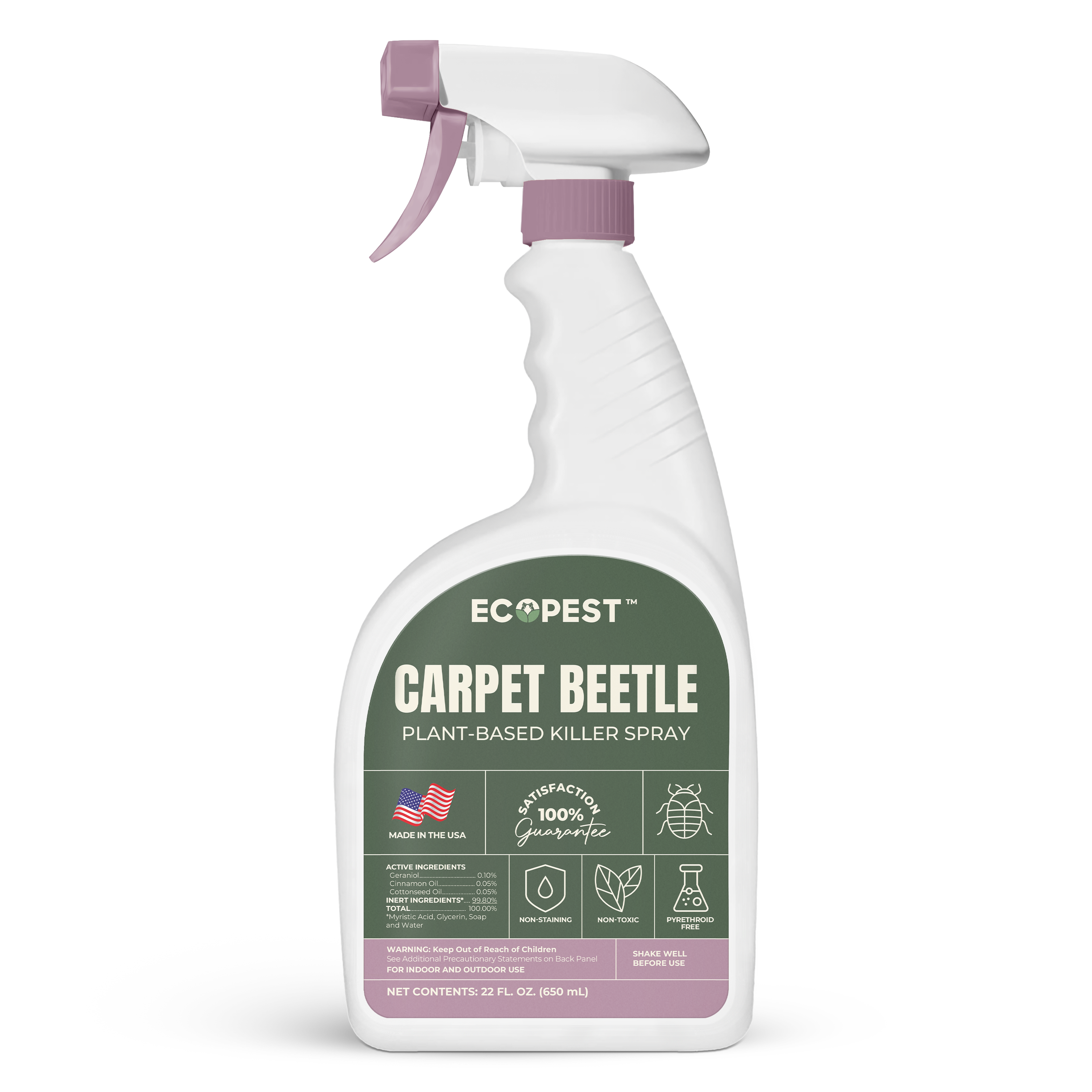
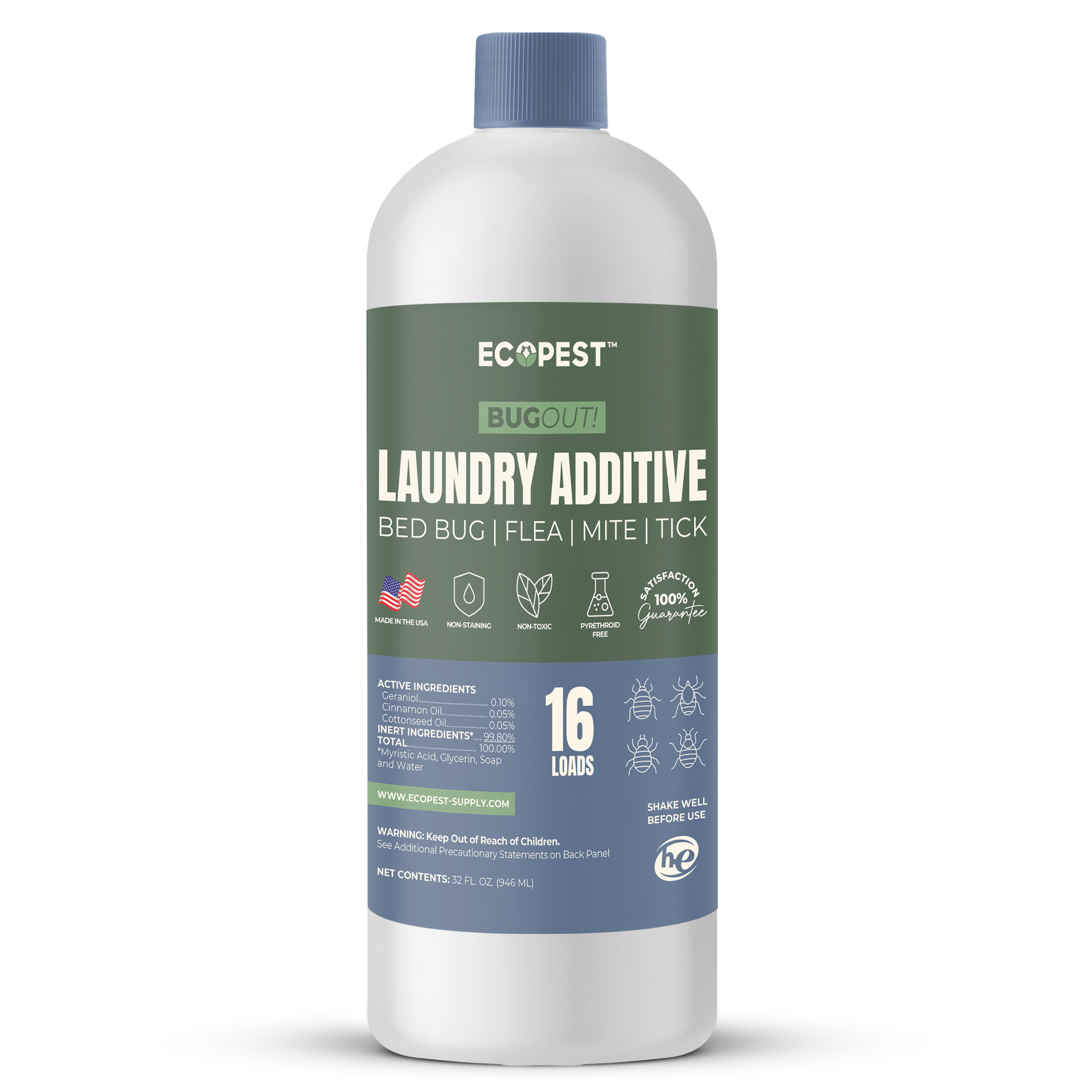
Recommended products
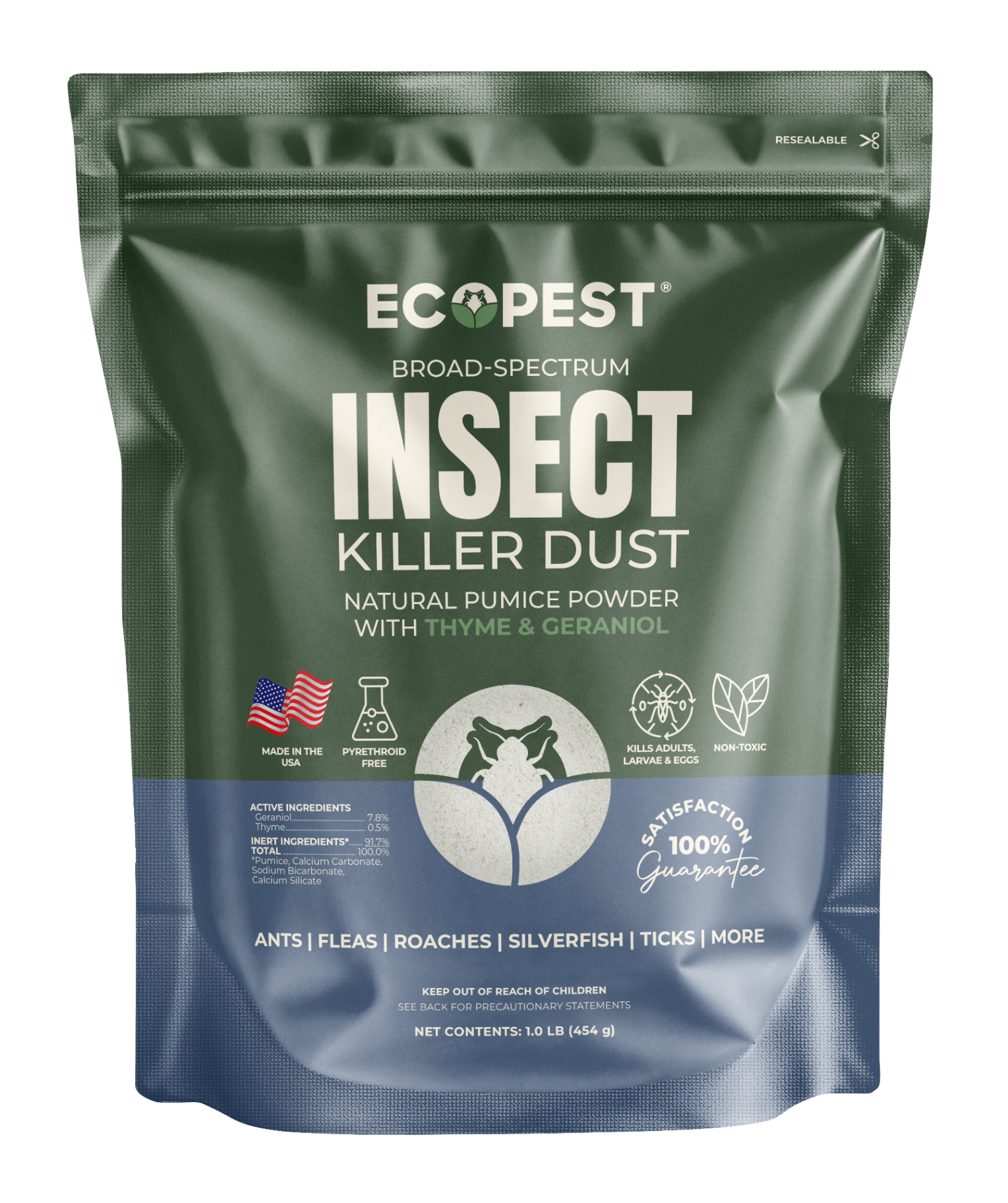
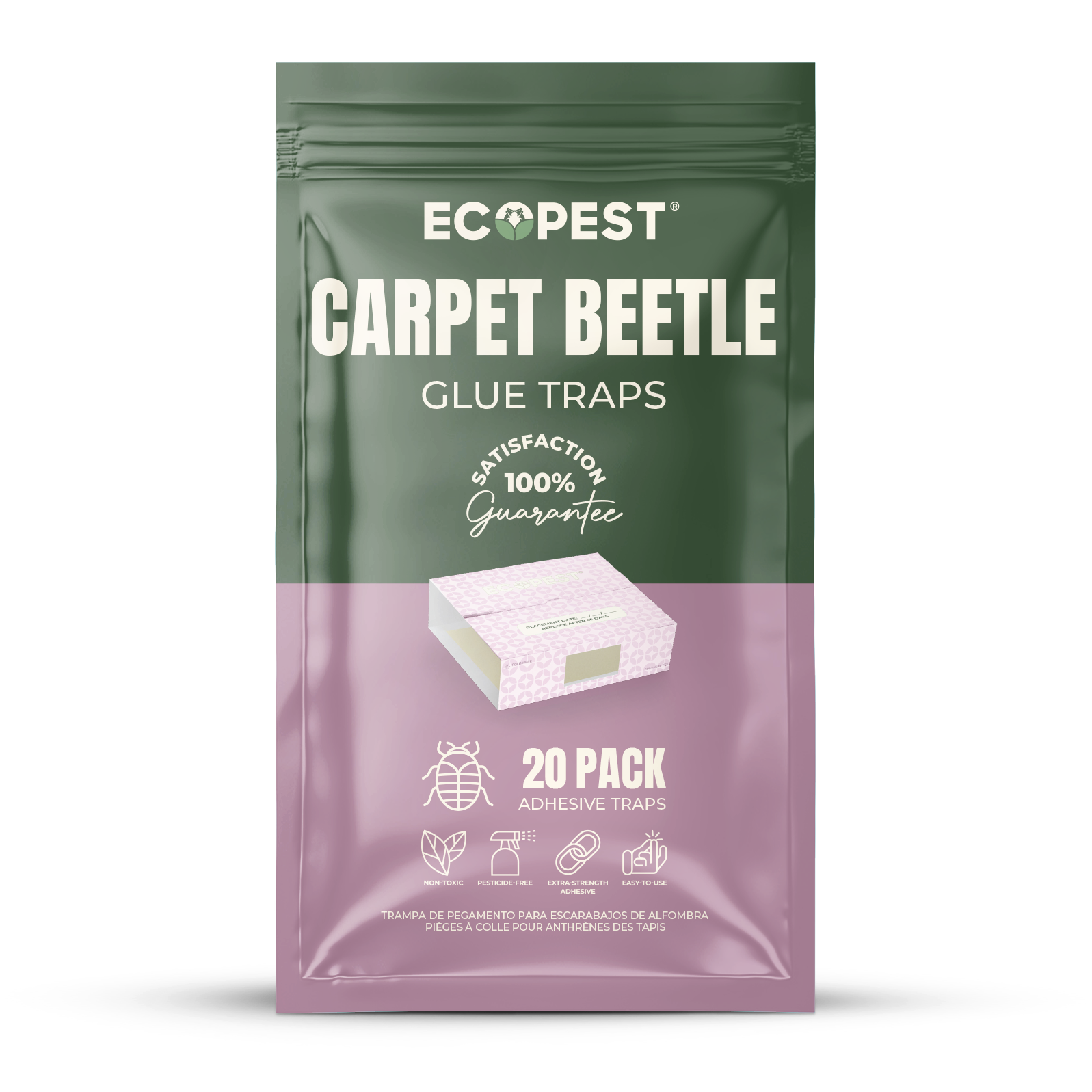
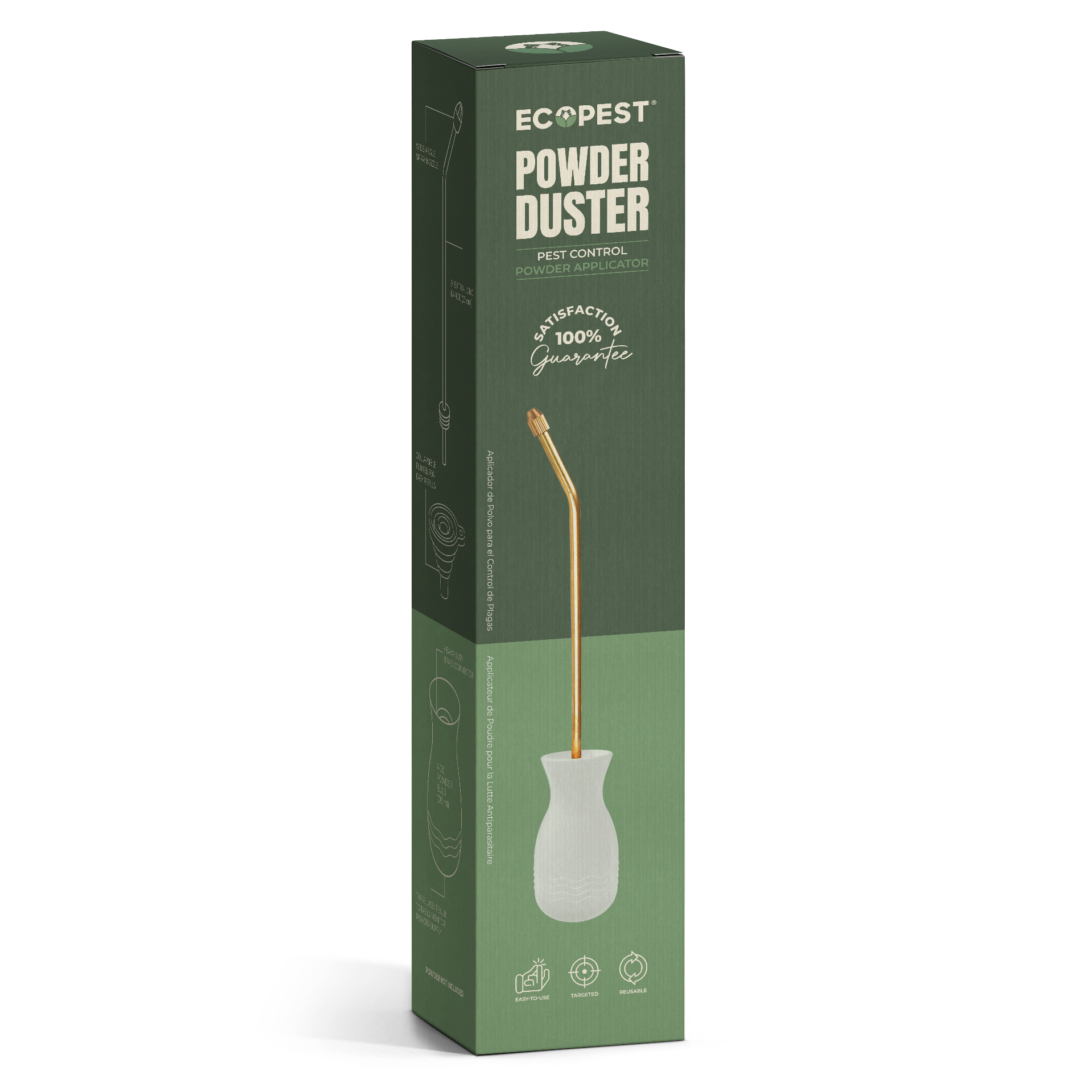
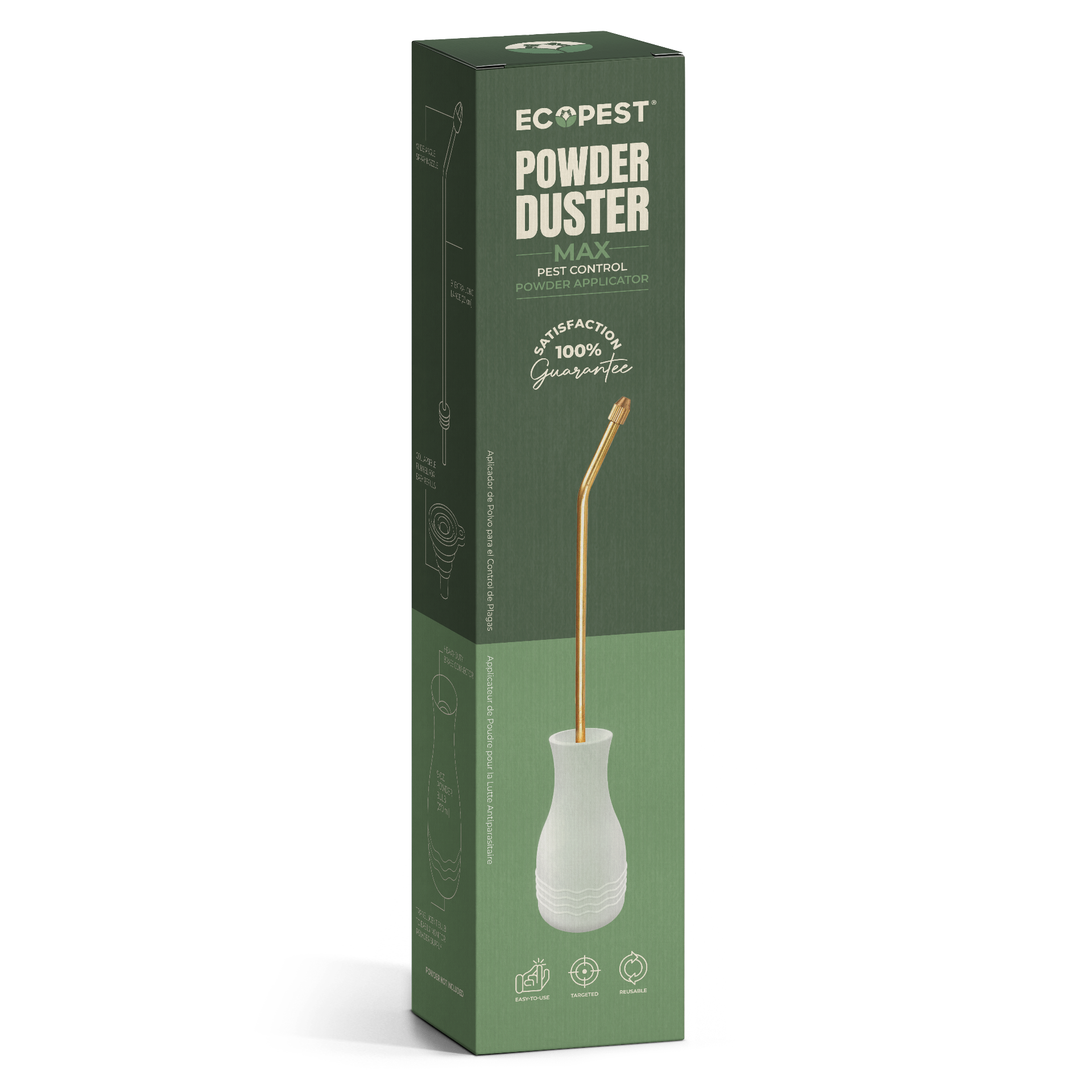
Sometimes infestations need professional help
If your infestation has grown beyond what DIY treatment can handle, EcoPest partners with top-rated local exterminators who can provide free, no-obligation quotes.
Find Local Pros05 — Prevention
Keep them from coming back
- Vacuum under furniture weekly.
- Store wool, silk, and fur in sealed bins with cedar.
- Inspect cut flowers before bringing them inside.
- Clean up dead insects in window sills and light fixtures.
06 — FAQs
Frequently asked questions
Do carpet beetles bite?+
No — they don't bite. The 'bites' people report are usually allergic skin reactions to larval bristles.
Where are they coming from?+
Often from cut flowers, bird nests in attics, or wool/silk items brought into the home.
How long does it take to get rid of them?+
Plan on at least 6–8 weeks of consistent vacuuming and treatment because larvae are long-lived and well-hidden.