Pest guide
Ants
Ants are social insects that live in colonies of hundreds to millions. Most species you'll see indoors are foraging workers searching for food and water to bring back to the nest. Eliminating a single trail rarely solves the problem — colony-level treatment does.
01 — Identification
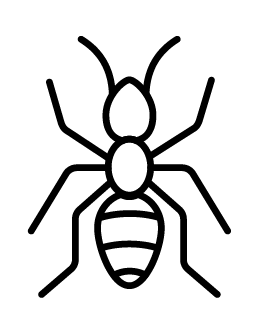
What ants look like


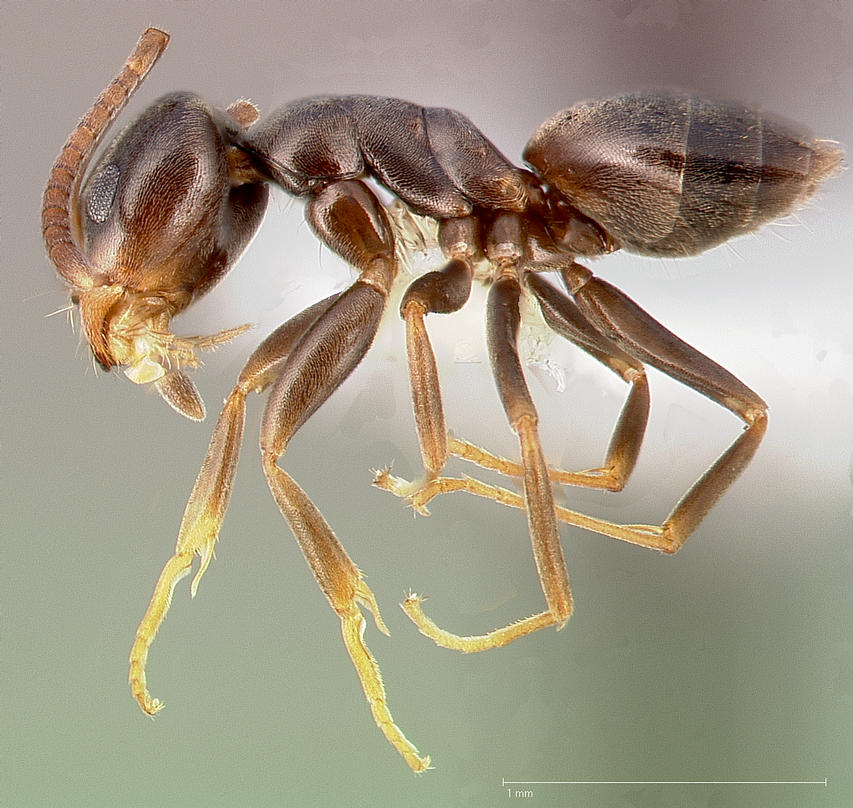
Size
1/16" to 1/2" depending on species (carpenter ants are largest).
Color
Black, brown, red, or yellow.
Shape
Three distinct body segments, elbowed antennae, narrow waist.
How to tell them apart
- Bent (elbowed) antennae — termites have straight antennae.
- Pinched waist between thorax and abdomen.
- Workers are wingless; reproductives have two pairs of unequal wings.
02 — Life cycle
How they grow and reproduce
Complete metamorphosis from egg to adult, typically 6–10 weeks. Queens can live 15+ years.
- 1
Egg
7–14 days
Tiny, oval, translucent white.
- 2
Larva
1–3 weeks
Legless grubs fed by workers.
- 3
Pupa
1–2 weeks
Develops adult features inside a cocoon or naked.
- 4
Adult
Worker: several months. Queen: years.
Workers forage; queens lay eggs.
03 — Risks & behavior
What to watch for
Health risks
- Some species (fire ants, harvester ants) sting and can trigger allergic reactions.
- Pharaoh ants can mechanically spread bacteria across food prep surfaces.
Home & property risks
- Carpenter ants tunnel through moist wood, weakening structures over time.
- Foraging trails contaminate pantry items.
Behavior at a glance
Diet
Sugars, proteins, fats, and other insects — preferences shift seasonally.
When active
Most active in warm months; trails follow pheromone scent paths along edges.
Peak season
Spring through fall outdoors; year-round indoors once established.
- Workers lay scent trails so nestmates can follow them to food.
- Wiping trails with vinegar disrupts the scent but doesn't kill the colony.
04 — Treatment
How to get rid of ants
Combine a perimeter spray to disrupt trails with bait that workers carry back to the colony.
- 1
Identify the trail and follow it back to the entry point if possible.
- 2
Spray indoor trails and outdoor entry points with a natural insect spray.
- 3
Place bait near (not on) the trail so workers carry it to the queen.
- 4
Wipe down surfaces after 48 hours and re-treat the perimeter monthly.
Recommended products
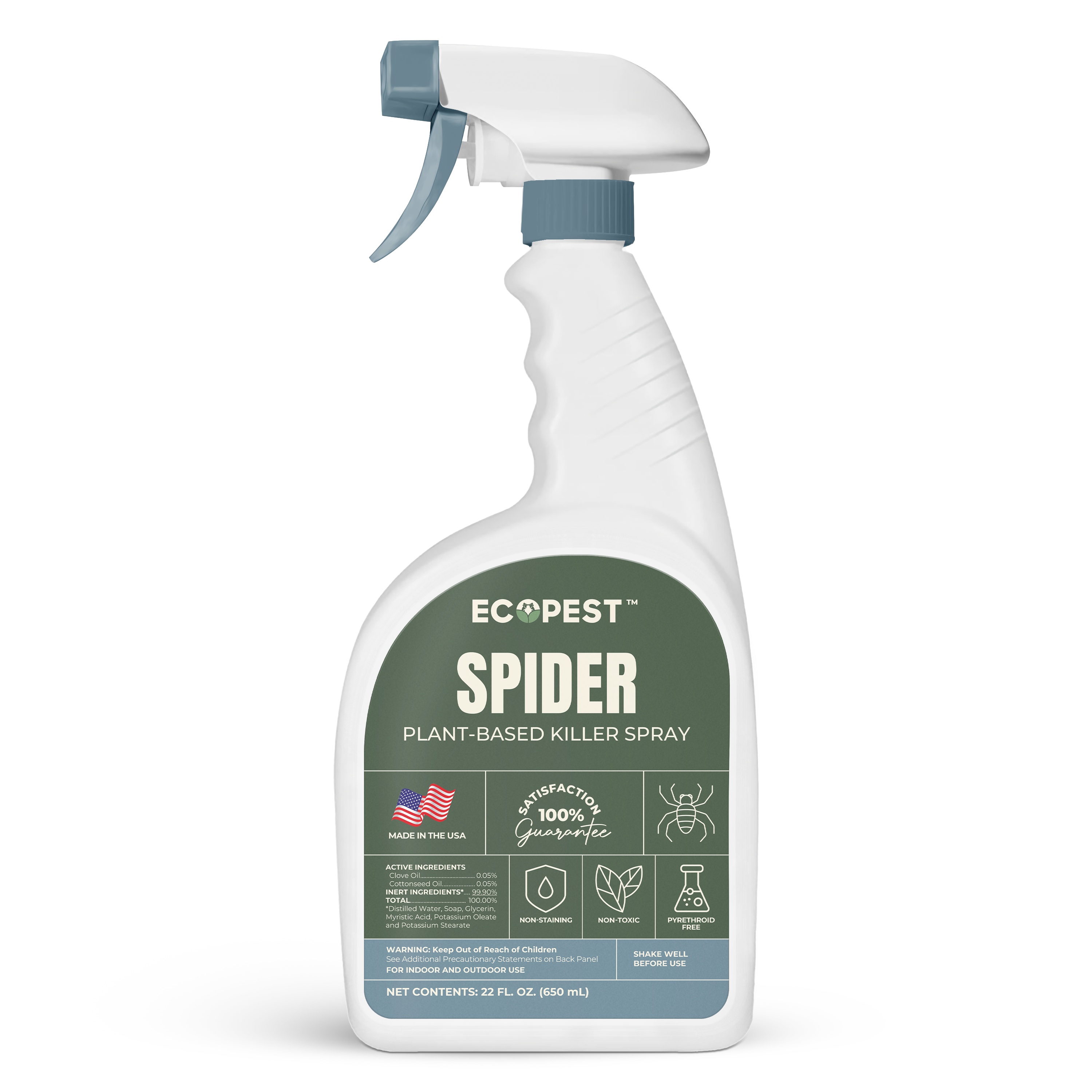 22 OZ
22 OZSpider Spray
From $24.99
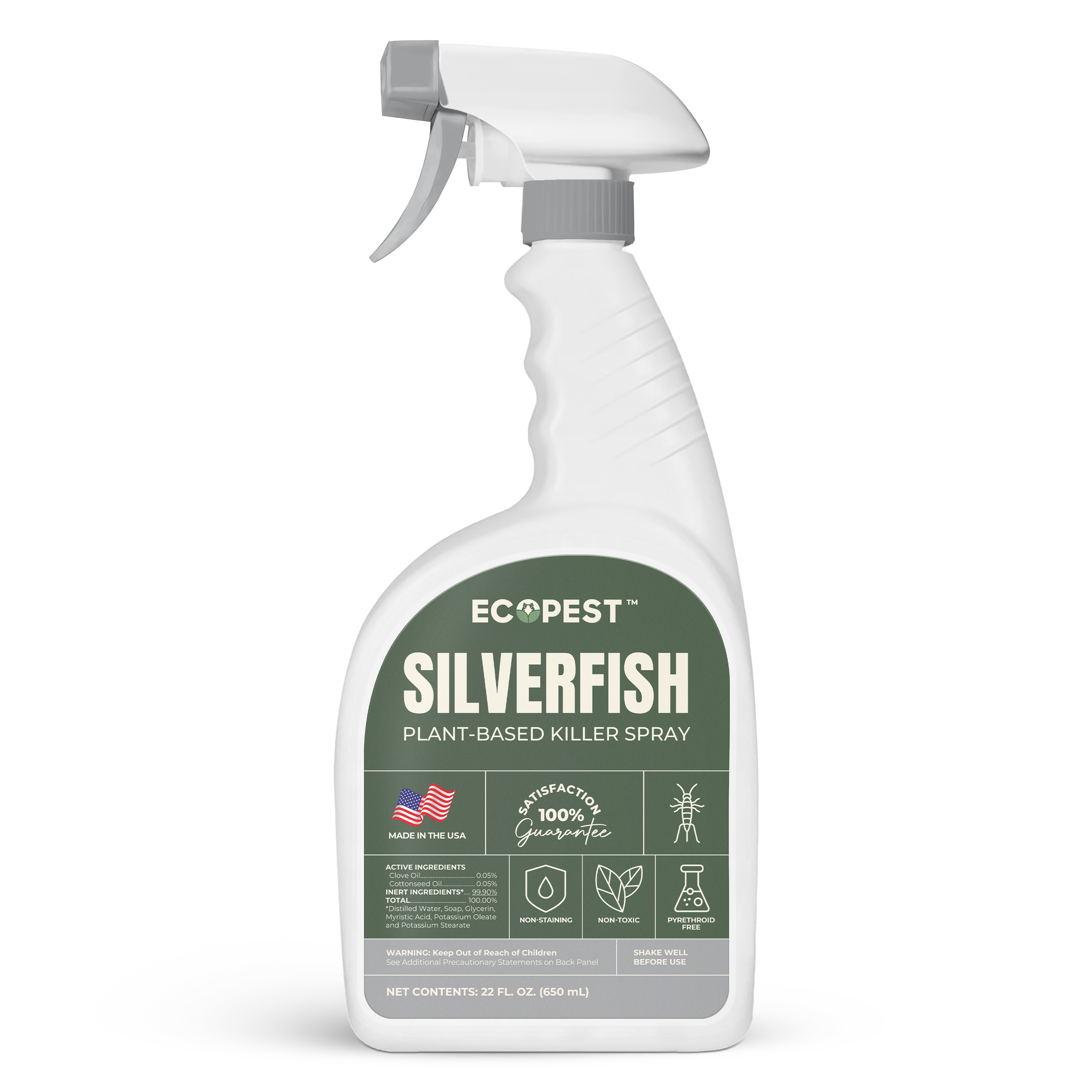 22 OZ
22 OZSilverfish Spray
From $24.99
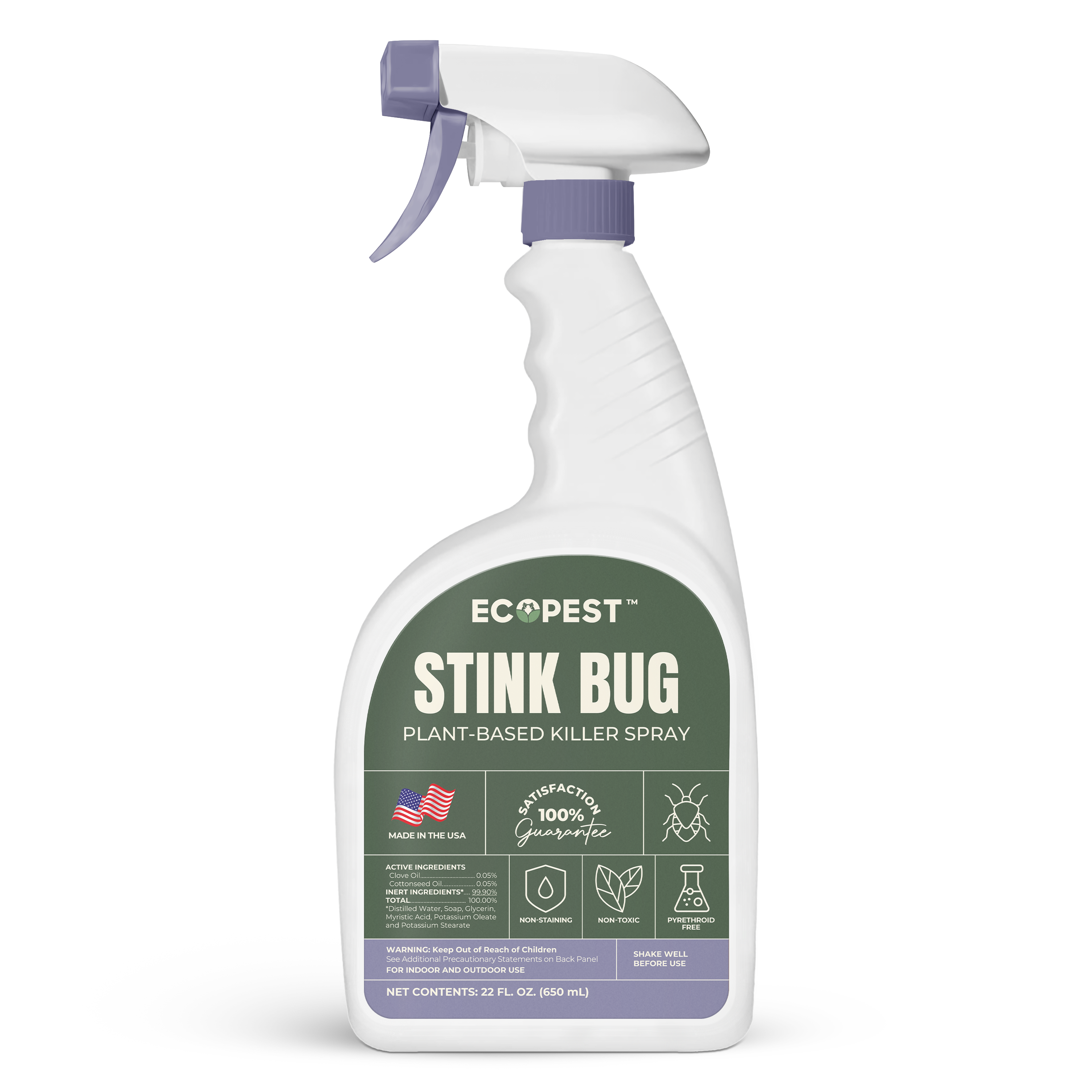 22 OZ
22 OZStink Bug Spray
From $24.99
 22 OZ
22 OZBoxelder Bug & Asian Lady Beetle Spray
From $25.99
 22 OZ
22 OZCarpet Beetle Spray
From $24.99
 22 OZ
22 OZBed Bug Spray
From $24.99
 Sold out
Ant & Roach Spray
From $24.99
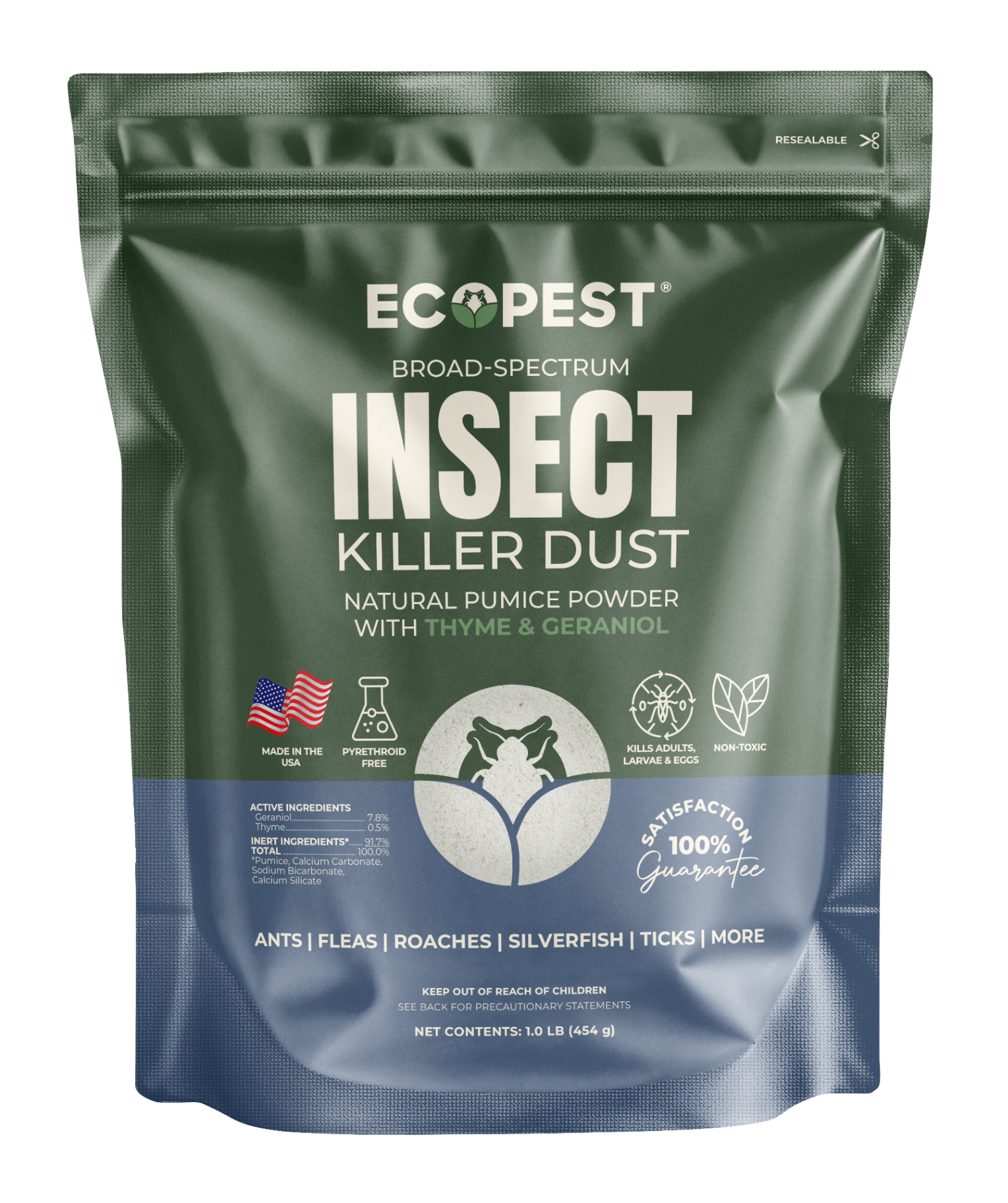 1 LB
1 LBBROAD-SPECTRUM
INSECT KILLER DUST
From $19.99
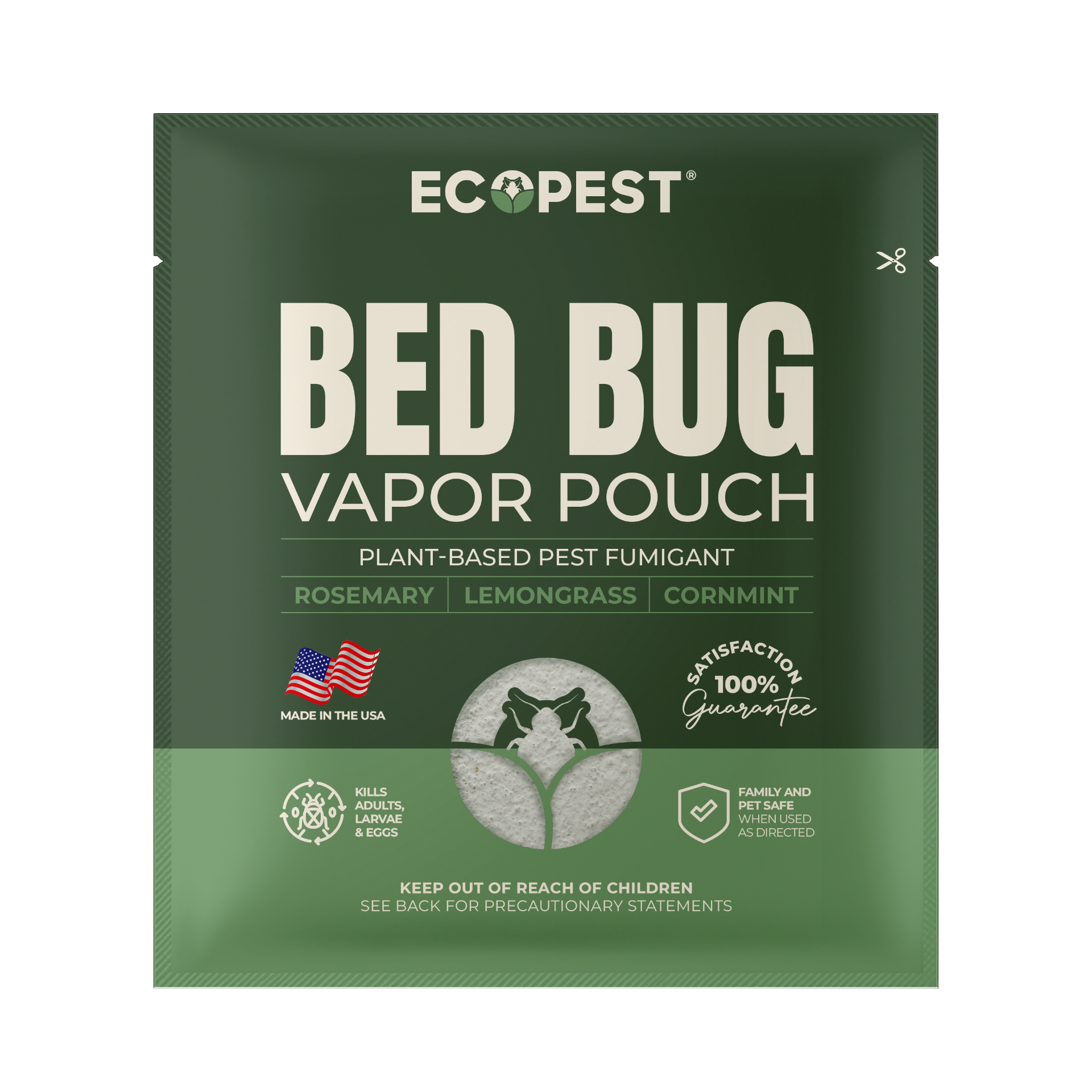
Bed Bug Vapor Pouch
From $15.99
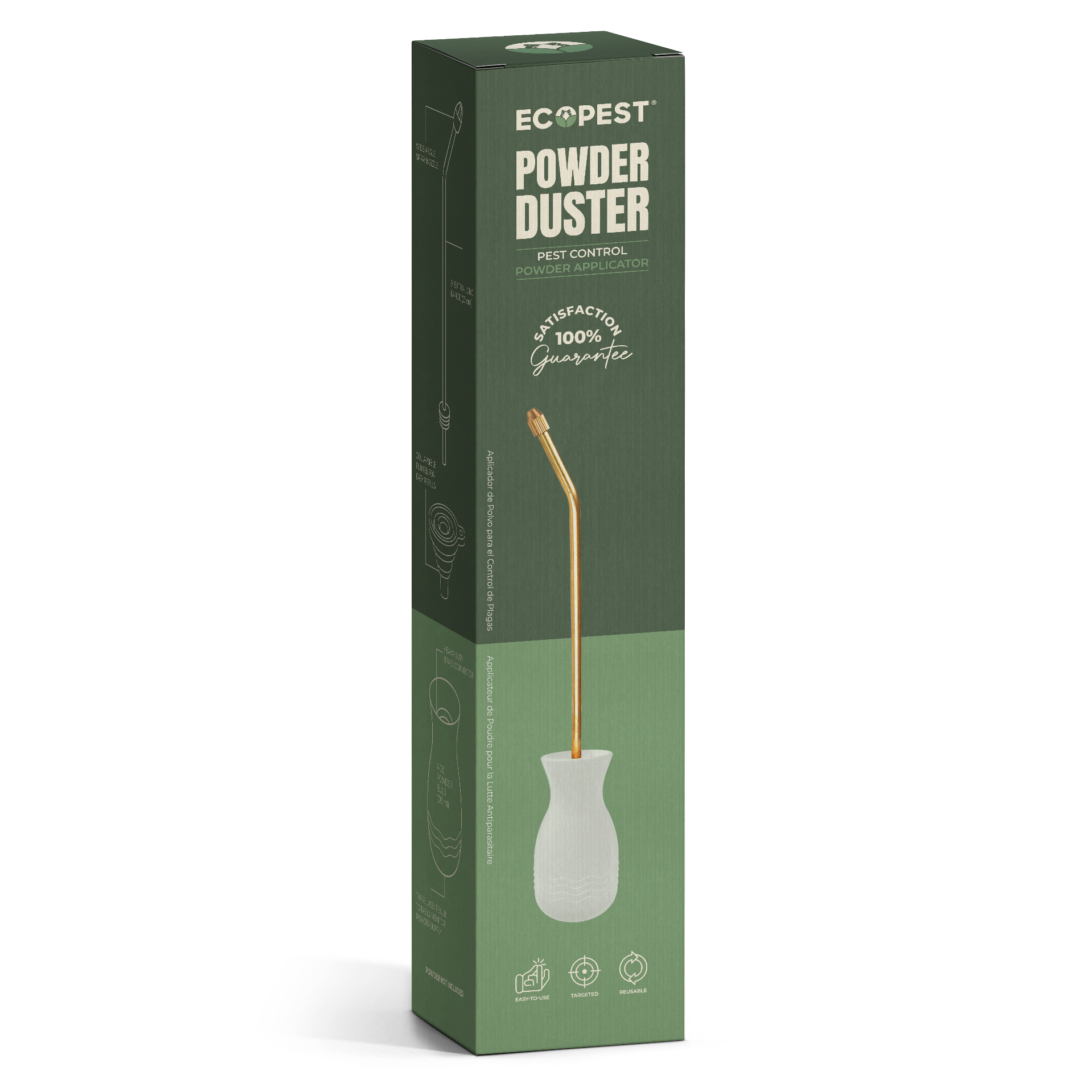 4 OZ
4 OZPowder Duster
From $19.99
Sometimes infestations need professional help
If your infestation has grown beyond what DIY treatment can handle, EcoPest partners with top-rated local exterminators who can provide free, no-obligation quotes.
Find Local Pros05 — Prevention
Keep them from coming back
- Wipe counters with vinegar nightly to erase scent trails.
- Seal entry points around windows, doors, and pipe penetrations.
- Store sugar, cereal, and pet food in airtight containers.
- Trim shrubs and tree branches that touch the house.
06 — FAQs
Frequently asked questions
Do ants bite?+
Most household ants don't bite people. Fire ants and harvester ants sting and inject venom, which can be painful or allergenic.
Why do ants keep coming back?+
Workers leave a pheromone trail. Even after you remove the ants, the scent path remains until you clean surfaces with vinegar or soapy water.
Will killing the queen stop them?+
Yes — colonies can't reproduce without their queen. Bait is the most reliable way to reach her since workers carry it to the nest.