

You found a tick on your dog in December and figured it was a fluke. It probably wasn't. So, are ticks active in winter? Some are. The ones most likely to show up in the cold months are adult blacklegged ticks, also called deer ticks, the same species that spreads Lyme disease. Here's when winter tick risk is real, which ticks stay active, and how to keep them from riding into your house on your pets.
Quick answer: Yes. Adult blacklegged (deer) ticks are not killed by freezing temperatures, and they can look for a host on any winter day when it's above freezing and the ground isn't frozen or covered in snow. In the southern U.S., ticks can stay active all year. Keep your pet's tick prevention going, do tick checks after time outdoors, and tumble dry outdoor clothes on high heat for 10 minutes when you come in.
Are ticks active in winter?
Yes, some ticks are active in winter, mainly adult blacklegged ticks. Fewer ticks are out than in summer, but the risk never drops to zero.
The CDC says tick exposure can happen year-round, even though ticks are most active from April through September. Adult blacklegged ticks break that summer pattern. According to the Cary Institute of Ecosystem Studies, adult blacklegged ticks look for hosts most actively in late fall, and unfed adults become active on any winter or spring day with above-freezing temperatures. In the southern U.S., Cary notes these ticks can be active all year.
What temperature are ticks active?
Blacklegged ticks can be active once the air is above freezing (32°F) and the ground has thawed. Below that, they sit still in the leaf litter and wait for the next mild spell.
The University of Rhode Island's TickEncounter Resource Center gives a simple two-part check before winter time outdoors: Is the ground unfrozen? Is the temperature above freezing? If the answer to both is yes, you can run into a blacklegged tick. A sunny 45°F afternoon in January after a few days of thaw is exactly the kind of day when adult ticks climb back onto low brush to wait for a passing deer, dog, or person.
Snow cover and frozen soil work in your favor. Ticks on frozen ground can barely move, so risk falls during a hard freeze and rises again during thaws.
Do ticks die in winter?
Most ticks don't die in winter. They go dormant in leaf litter and soil and wait it out.
According to the Cary Institute, tick larvae and nymphs that didn't find a host by fall go dormant on the forest floor and usually stay that way until days get longer and warmer in spring. Female blacklegged ticks that fed in the fall spend the winter in soil pores or under leaf litter, turning that blood meal into eggs they lay the next spring or summer. Some unfed adults starve over winter, but the survivors are ready to bite on the first warm day. Don't count on a cold snap to wipe ticks out.
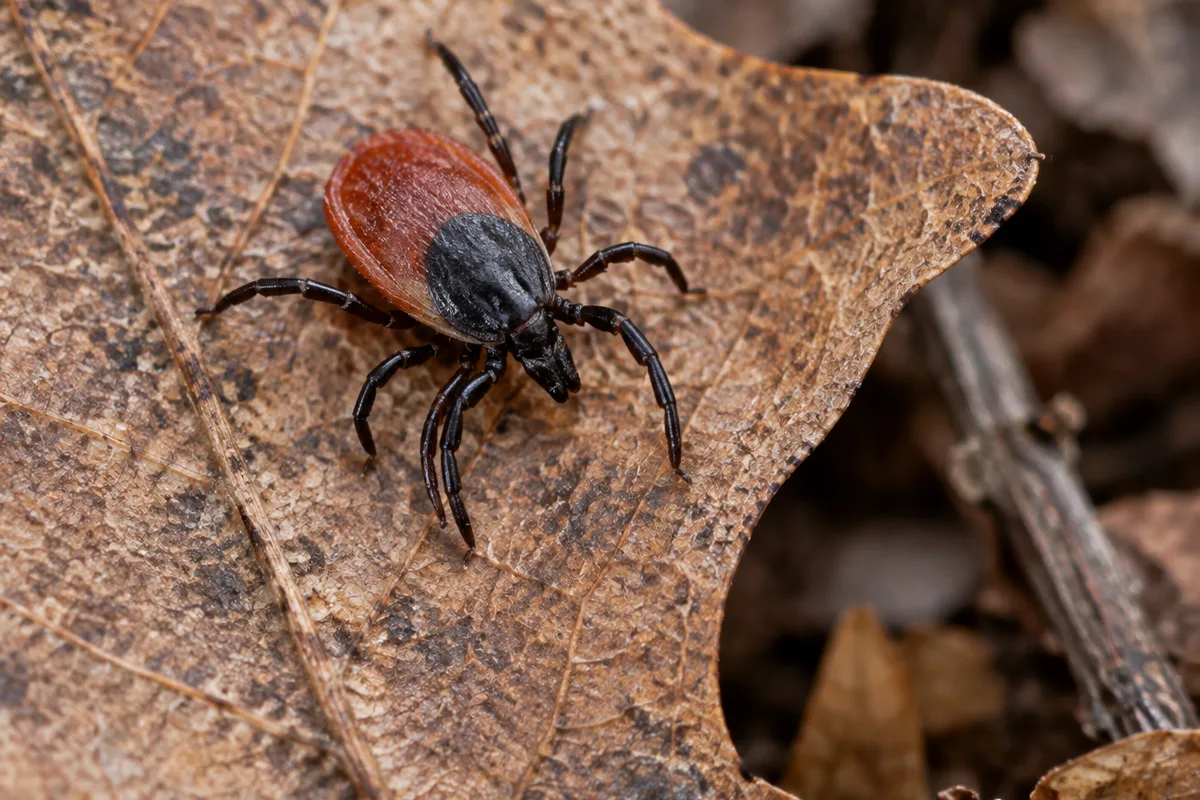
Can my dog get ticks in winter?
Yes. Dogs can pick up ticks on any mild winter day, and a dog is often how ticks get into a house in the first place.
Dogs walk right through the spots where ticks wait: leaf litter, trail edges, and the brushy border where a lawn meets the woods. A tick that rides in on your dog can drop onto a couch, rug, or bed. A lot of pet owners stop tick prevention in October and restart in spring, which leaves a gap during exactly the warm spells when adult ticks are hunting. Ask your vet whether year-round prevention makes sense where you live, and never use a dog product on a cat without your vet's OK.
Can ticks live in your house in winter?
Most ticks can't survive and breed indoors. The brown dog tick is the exception, and it can complete its entire life cycle inside a heated home.
Blacklegged ticks, lone star ticks, and American dog ticks need outdoor humidity. One that comes in on a jacket or a pet won't start an indoor population. The brown dog tick is different. URI's TickEncounter says brown dog ticks can spend their whole life cycle indoors, finish it in as little as three months under good conditions, and survive up to 18 months without feeding. Females lay eggs in cracks and crevices, on ledges, and around kennels. Adults turn up in every month of the year.
If you keep finding small reddish-brown ticks on your dog, or crawling up walls and along baseboards in winter, suspect brown dog ticks. URI recommends treating the pet, the house, and the yard, plus thorough vacuuming, and warns it can take several rounds over several months. A stubborn indoor infestation is a good time to get help from a local pro. Not sure? Our guide on when to call a pro vs. DIY can help you decide.
How to check for ticks after a winter walk
Do a full tick check within two hours of coming inside, on yourself and your pets. It takes about five minutes.
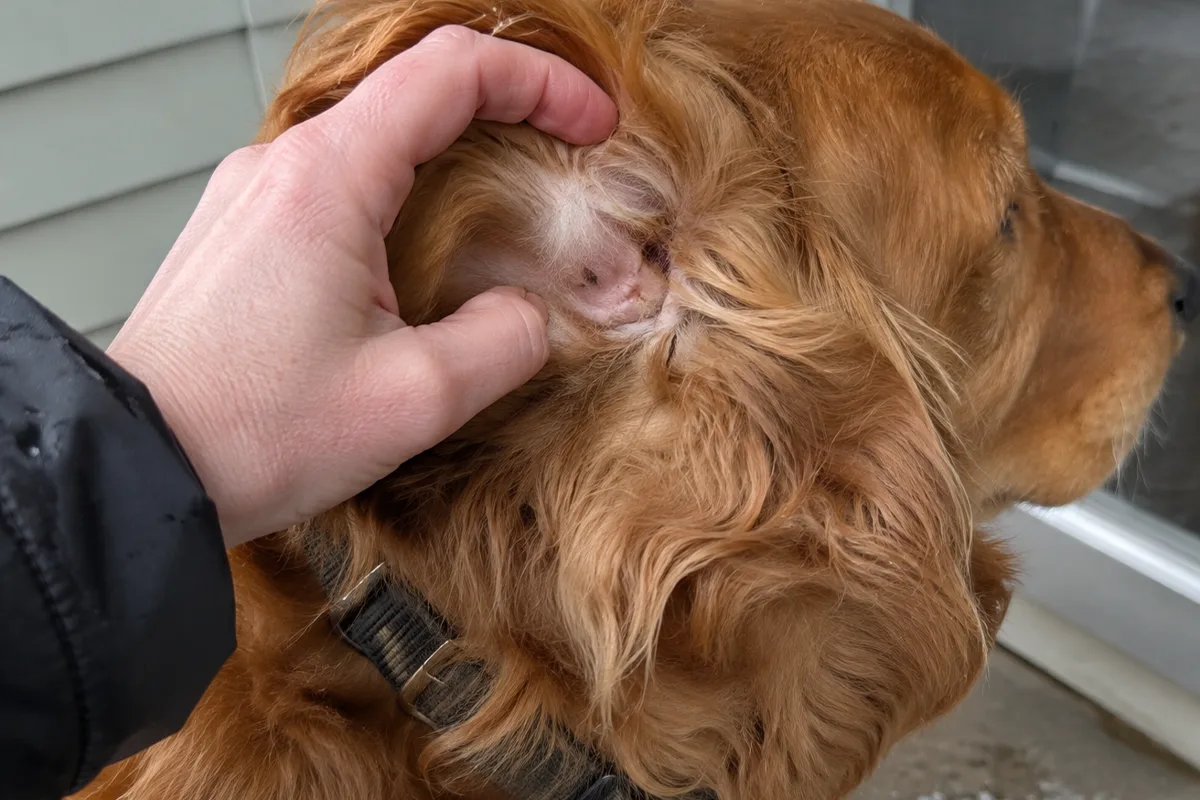
- Check your dog before it comes in. Run your fingers slowly over the ears, around the eyelids, under the collar, under the front legs, between the back legs, between the toes, and around the tail.
- Put outdoor clothes straight into the dryer. The CDC says high heat for 10 minutes kills ticks on dry clothing. Damp clothes need longer. If you need to wash them first, use hot water.
- Shower within two hours. The CDC says showering within two hours of coming indoors lowers your risk of Lyme disease, and it's a good time to look for ticks.
- Check your body. Look in the armpits, in and around the ears, inside the belly button, behind the knees, in the hair, around the waist, and between the legs.
- Remove attached ticks right away. Use fine-tipped tweezers, grab the tick as close to the skin as you can, and pull straight up with steady pressure. Clean the bite with soap and water.
Speed matters. The CDC says that in most cases a blacklegged tick has to be attached for 36 to 48 hours or more before it can pass on Lyme disease bacteria. Some other tick-borne germs move faster, so don't wait until morning.
Products That Help
For winter ticks, your two most important tools are a vet-approved preventive for your pet and a hot dryer. EcoPest helps with the laundry side.
- BugOut! Laundry Additive (32 oz or 128 oz): A plant-based detergent booster labeled for ticks, as well as bed bugs, mites, fleas, and carpet beetles. It works in hot or cold water, which helps with dog beds, throw blankets, and outdoor gear that can't take a hot wash. Add it to the load with anything your dog sleeps on or that may have carried a tick inside.
Always read and follow the product label.
Dealing with fleas this winter too? See Can Fleas Survive Winter? and How to Kill Bed Bugs, Dust Mites, and Fleas in the Wash. For what "safe around pets" really means on a label, read Pet-Safe Pest Control, Explained.
How to keep ticks away from your home in winter
Ticks spend the winter in leaf litter, so most prevention happens in the yard and at the door.
- Clear leaf litter along the edge where lawn meets woods, along fences, and around paths your dog uses.
- Stay in the middle of trails on mild days, and keep dogs out of leaf piles and brush.
- Keep pet tick prevention going through winter if your vet recommends it.
- Wash and dry pet bedding weekly on the hottest setting the fabric allows.
- Vacuum often around dog beds, baseboards, and furniture edges, especially if you suspect brown dog ticks.
- Keep firewood stacked away from the house, since woodpiles attract mice, and mice are a key host for young ticks.
For identification photos, life cycle details, and the diseases each species carries, see our tick pest guide.
Sources
- CDC: Preventing Tick Bites
- CDC: Lyme Disease fact sheet
- Cary Institute of Ecosystem Studies: Are ticks active in winter months?
- University of Rhode Island TickEncounter: Winter Tick Activity and Brown Dog Tick