
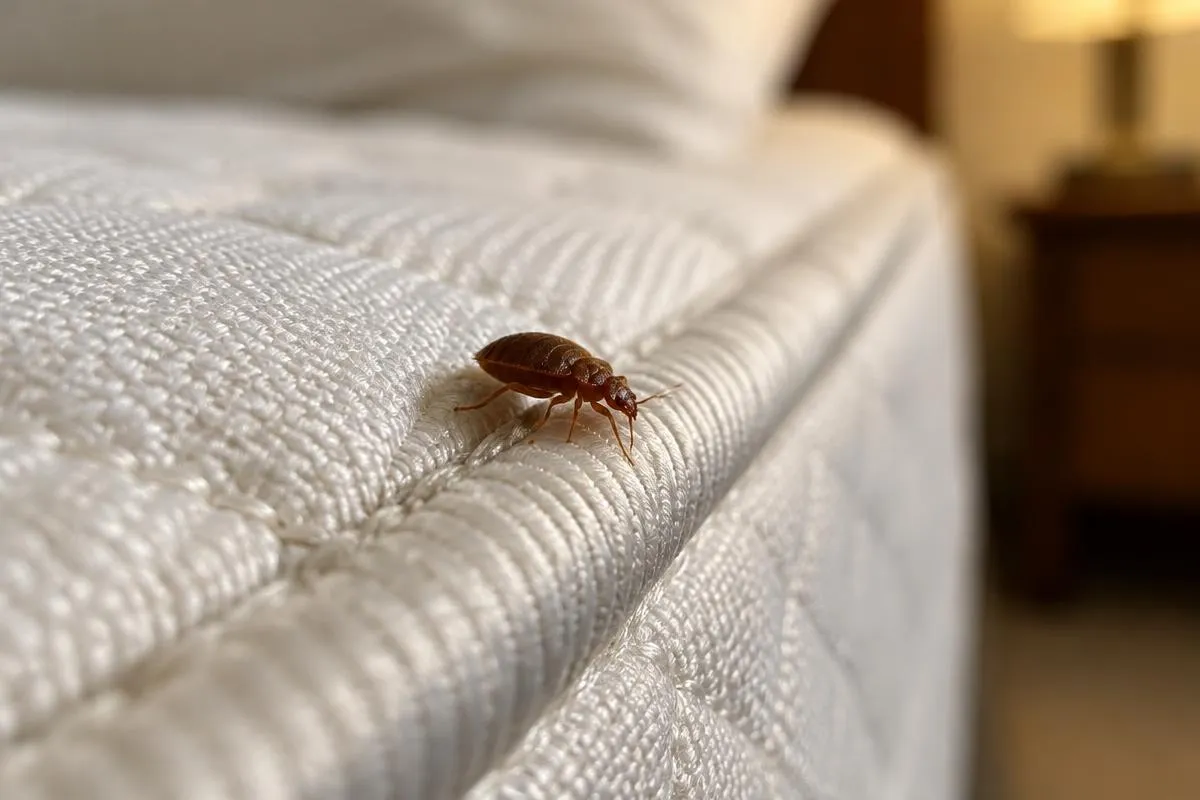
If you found bed bugs as the weather turned cold, it's tempting to hope winter will finish them off. It won't. Bed bugs don't die in winter because they live where you live: inside a heated home, a few feet from a warm body and a steady meal. Bed bugs in winter act almost exactly like bed bugs in July. This guide covers what cold actually does to bed bugs, when freezing works, and how to clear them out naturally while the windows are shut.
Quick answer: No, bed bugs do not die in winter. They live indoors at room temperature, so outdoor cold never reaches them. Cold only kills bed bugs when it stays below 0°F for at least four days, according to the EPA. That's why a home freezer can treat small items, but a cold snap, a chilly garage, or an open window won't treat a home.
Do bed bugs die in the winter?
No. Bed bugs survive winter because they spend it inside heated buildings, close to the people they feed on.
Bed bugs don't migrate, overwinter outdoors, or die off in fall the way many garden insects do. Most homes stay at room temperature all winter, and people are still in bed every night, so nothing about the season changes a bed bug's routine.
Bed bugs are also good at waiting. University of Minnesota Extension notes that older nymphs and adults can survive up to a year without a blood meal under favorable conditions. A guest room that sits empty until the holidays, or a cabin closed for the season, can still have bed bugs when people come back.
How cold does it have to be to kill bed bugs?
Bed bugs die when held below 0°F (-18°C) for at least four days. That's the EPA's guideline, and it applies to the center of the item being treated, not just the air around it.
The numbers come from a 2013 University of Minnesota study published in the Journal of Economic Entomology. Researchers found:
- It took 80 hours at about 3°F (-16°C) to kill every life stage.
- Below -4°F (-20°C), 48 hours was enough.
- Bed bug eggs were the toughest stage and survived short exposures as low as -13°F (-25°C).
Bed bugs handle cold by lowering the freezing point of their body fluids, so they don't freeze solid the moment the temperature drops. Mild cold mostly just slows them down. Time and very low temperatures are what kill them.
Will a cold garage, car, or open window kill bed bugs?
Almost never. To kill bed bugs, an item has to reach 0°F all the way through and stay there for days, and normal winter weather rarely does that.
In most of the U.S., outdoor temperatures climb above 0°F during the day, even in a hard winter. Sunlight warms cars, sheds, and storage units on clear days. Thick items like mattresses and couches insulate the bugs inside them, and the University of Alaska Fairbanks Cooperative Extension points out that large items take a very long time to cool down.
Shutting off the heat in a bedroom doesn't work either. Bed bugs can crawl deeper into wall voids, furniture, and behind outlet covers, and you're likely to freeze your pipes long before you freeze the bugs. Dragging an infested mattress outside also risks spreading bed bugs through the rest of the house on the way out.
How do you kill bed bugs with a freezer?
A freezer works well for small items that can't go in a hot dryer, as long as it truly holds 0°F or colder. Follow these steps:
- Check the freezer temperature. Put a thermometer inside and confirm it reads 0°F or lower. Many kitchen freezers run warmer, especially when they're opened often.
- Bag the items. Seal each item in a plastic bag so bed bugs can't escape and moisture stays off it while it thaws.
- Don't overpack. Leave space for cold air to circulate. Bulky items take longer to chill through.
- Start the clock when the center hits 0°F. Leave items in for at least 4 days. A probe thermometer tucked into the middle of an item is the best way to know. If you can't confirm the temperature, University of Minnesota Extension suggests leaving items in for 2 weeks.
- Thaw before opening. Let items come to room temperature in the bag, then shake or vacuum off the dead bugs.
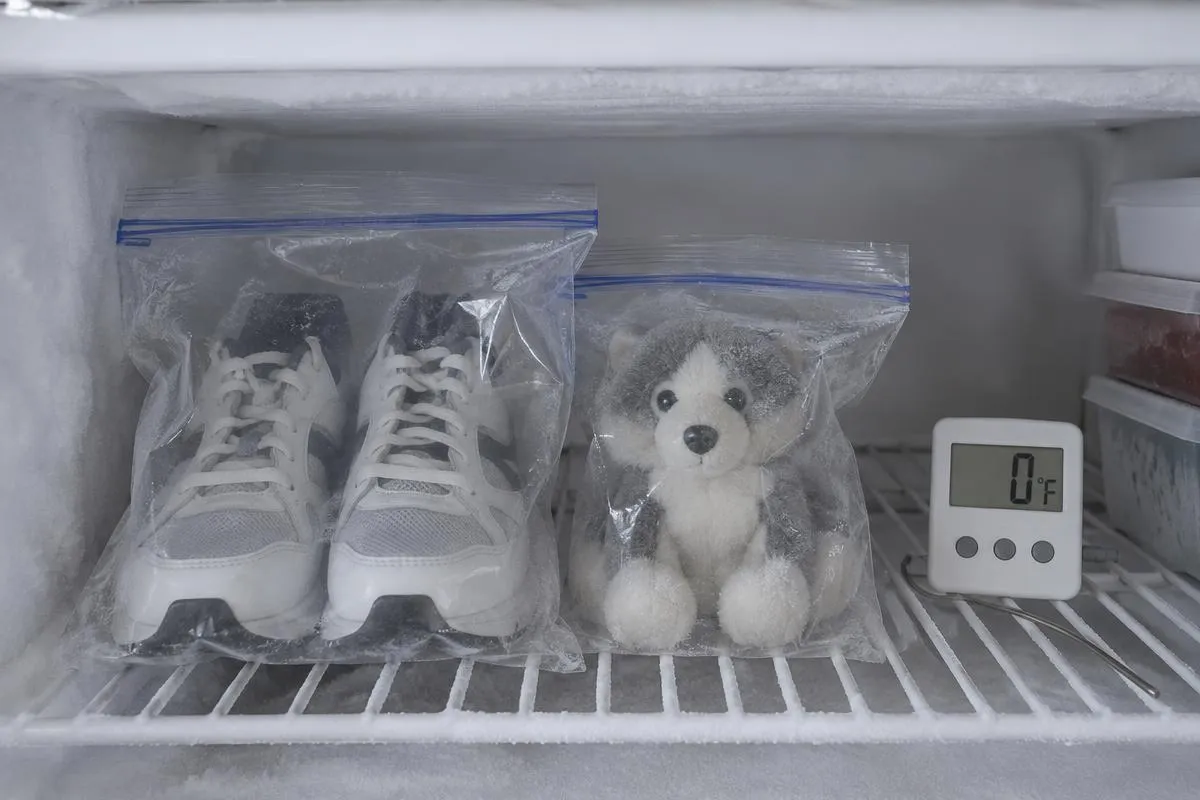
Freezing is a good fit for shoes, books, stuffed toys, and other small dry items. For clothing and bedding, the dryer is faster: the EPA says 30 minutes on high heat kills bed bugs, while washing alone generally does not. Our guide on how to wash clothes to kill bed bugs walks through settings for every fabric type.
Why do bed bug problems show up in winter?
Bed bugs don't multiply because of winter, but winter habits make them easier to pick up and bring home.
Bed bugs spread by hitchhiking on luggage, clothing, and furniture, according to the University of Alaska Fairbanks Cooperative Extension. The holiday season stacks those risks: hotel stays, houseguests, college students coming home on break, and secondhand furniture or clothing as gifts. If you're traveling, check the mattress seams before you unpack, and keep suitcases off the bed and floor. Here's how to know if a hotel room has bed bugs.
How do you get rid of bed bugs naturally in winter?
The same way you would any other time of year: confirm them, contain them, treat where they hide, and keep monitoring. Cold weather doesn't change the plan.
- Confirm. Look for live bugs, shed skins, and small dark spots along mattress seams, box springs, headboards, and nearby furniture. Our guide on how to check for bed bugs in bed shows where to look.
- Contain. Run bedding, pillowcases, and clothes from the room through the dryer on high for 30 minutes. Bag anything clean so it doesn't get reinfested.
- Treat. Spray mattress seams, bed frames, and baseboards with a plant-based bed bug spray. Use a dust in cracks and gaps a spray can't reach.
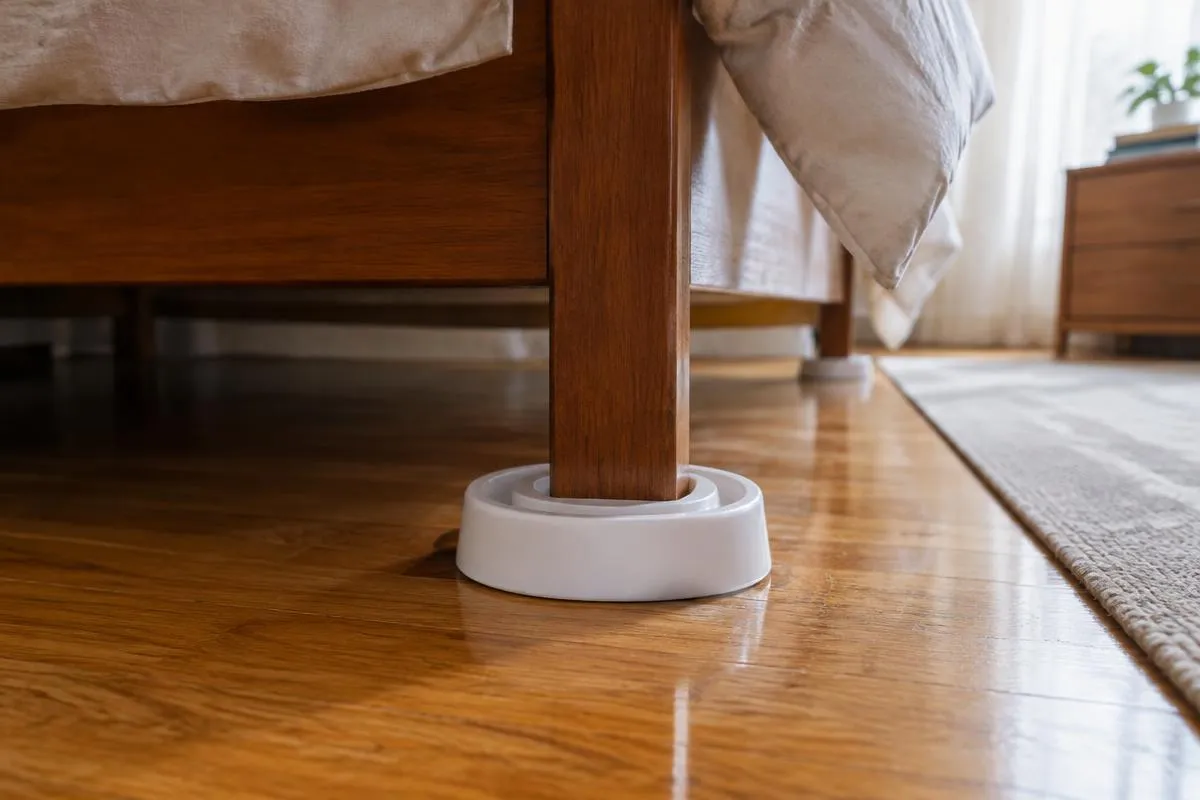
- Monitor. Put interceptors under the bed legs. The EPA recommends monitoring devices like interceptors to confirm bed bugs are truly gone.
For a full room-by-room plan, see the natural way to evict bed bugs. If bed bugs have spread to several rooms or you're in a multi-unit building, read when to call a pro vs. DIY.
Products That Help
These EcoPest products fit into the plan above. Always read and follow the product label.
- Bed Bug Spray (22 oz or 128 oz): A plant-based spray for indoor use that kills bed bugs, eggs, and nymphs. It's made to be fabric and mattress safe, so you can treat seams, headboards, and furniture.
- Bed Bug Killer Dust (1 lb): A natural pumice powder with thyme and geraniol for indoor bed bug treatment. Pair it with the Powder Duster for a light, even layer in cracks and gaps.
- Bed Bug Blocker (Pro) (4, 8, or 12 pack): Interceptors that sit under bed and furniture legs to catch bed bugs and show you whether treatment is working.
- BugOut! Laundry Additive (32 oz or 128 oz): A plant-based additive that kills bed bugs in the wash, in hot or cold water. Handy for items that can't take high dryer heat. More on it in our laundry additive guide.
How do you keep bed bugs out this winter?
Most winter bed bug problems start with something carried in. A few habits stop most of them.
- After a trip, unpack outside the bedroom and put clothes straight into the dryer on high for 30 minutes.
- Inspect secondhand finds like furniture, mattresses, and clothing before they come inside.
- Encase the mattress and box spring in covers made for bed bugs. The EPA notes encasements trap bed bugs and make them easier to spot.
- Keep interceptors under the beds, especially in guest rooms after visitors leave.
- Cut clutter around beds and couches so bed bugs have fewer places to hide.
Want the full picture on identification and life cycle? Read our bed bug guide.
Sources
- U.S. EPA: Controlling Bed Bugs Using Integrated Pest Management (IPM)
- University of Minnesota Extension: Bed bugs
- Entomological Society of America: Bed bugs can survive freezing temperatures, but cold can still kill them (summary of Olsen et al., Journal of Economic Entomology, 2013)
- University of Alaska Fairbanks Cooperative Extension: Bed Bugs