
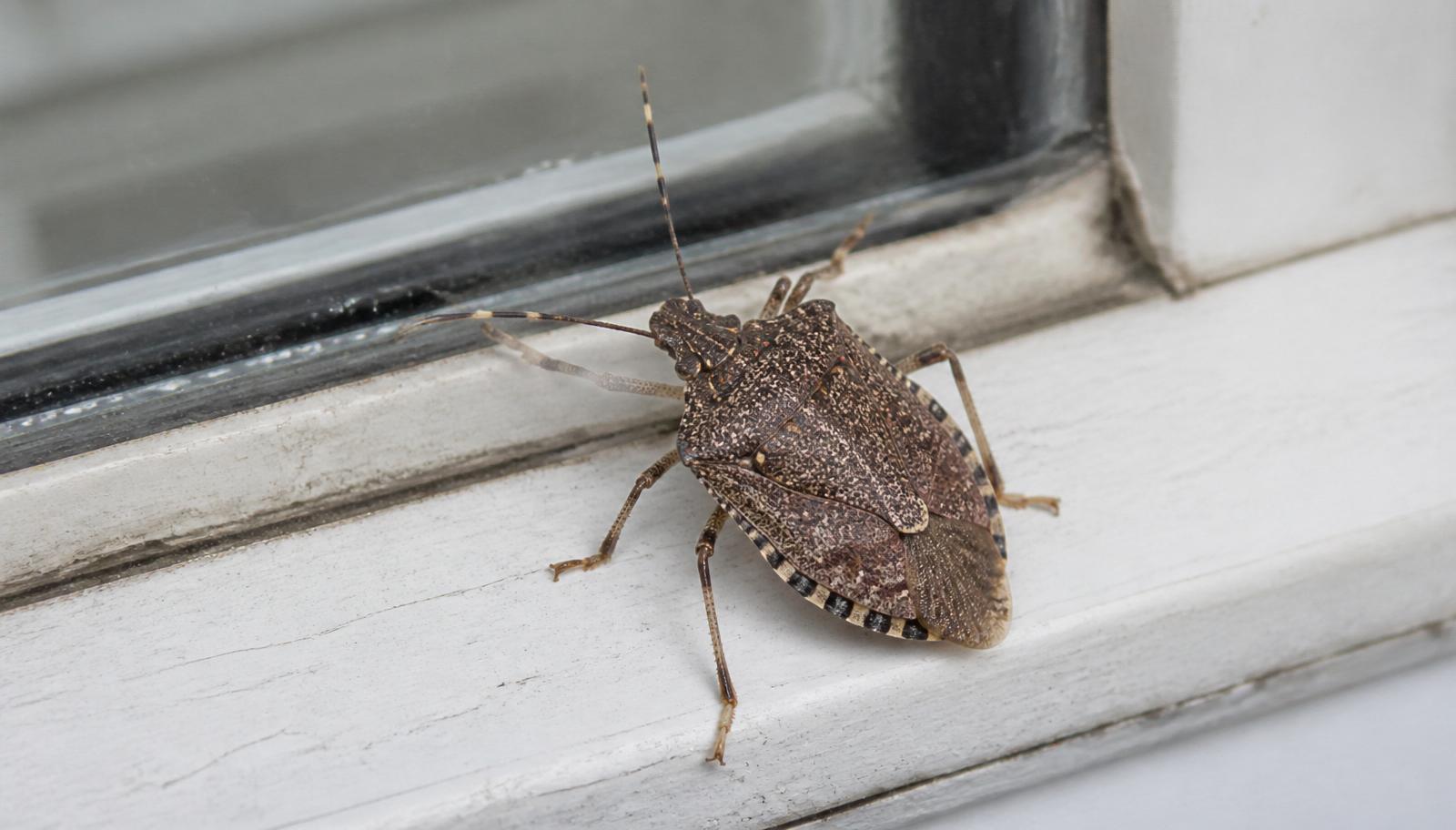
Stink bugs are a common household nuisance, especially in late summer and fall when temperatures begin to drop. Once they find their way indoors, they can be difficult to eliminate and tend to gather in large numbers around windows, ceilings, and warm indoor spaces. The good news is that with the right prevention steps, you can significantly reduce the chances of an infestation.
What Are Stink Bugs?
Stink bugs are shield-shaped insects known for the strong odor they release when disturbed or crushed. The most common species found in homes is the brown marmorated stink bug, an invasive pest that has spread widely across North America.
While they don't bite or damage structures, they are still considered a major nuisance because:
- They enter homes in large numbers during cooler months
- They gather around light sources and windows
- They release a strong, unpleasant odor when handled or crushed
Why Stink Bugs Enter Homes
Stink bugs are not random indoor pests. Their behavior follows a seasonal pattern. In late summer and early fall, they begin searching for warm, protected areas to survive the winter. Homes provide exactly what they are looking for:
- Warm wall voids and attic spaces
- Sun-exposed siding that attracts them during the day
- Small cracks and gaps around windows and doors
- Openings around vents, pipes, and utility lines
Once inside, they often remain inactive until spring, when they become more visible again.
Signs You May Have Stink Bugs Indoors
You may be dealing with stink bugs if you notice:
- Bugs clustering around windows or light fixtures
- Slow-moving insects on walls or ceilings
- A noticeable odor when bugs are disturbed
- Repeated sightings even after removing a few individuals
Early detection is important because populations can build quickly.
How to Keep Stink Bugs Out of Your Home
The most effective way to deal with stink bugs is to stop them from entering in the first place. Prevention focuses on sealing entry points and reducing attractants around your home. For added protection during peak season, consider using a plant-based stink bug barrier treatment along exterior walls, window trim, and other likely entry areas.
Seal Entry Points
Carefully inspect the exterior of your home and seal any gaps:
- Apply caulk around windows and door frames
- Repair cracks in siding and foundations
- Seal gaps where utility lines enter the home
Even very small openings can allow stink bugs inside.
Install Proper Barriers
- Add door sweeps to exterior doors
- Use weather stripping to tighten seals
- Install fine mesh screens over vents and attic openings
Reduce Outdoor Attraction
- Turn off unnecessary exterior lighting at night
- Keep vegetation trimmed away from siding
- Remove overripe fruit or plant debris near the home
Natural Ways to Discourage Stink Bugs
Some homeowners prefer non-chemical methods to reduce stink bug activity. For indoor spot treatment and prevention, a natural stink bug spray can help reduce activity without harsh chemicals.
Strong Scent Deterrents
Stink bugs tend to avoid certain strong-smelling natural oils, including:
- Peppermint oil
- Clove oil
- Neem oil
These can be lightly applied around entry points to help discourage movement toward the home.
Soap and Water Treatment
A simple soap-and-water spray can be used to eliminate stink bugs on contact indoors without harsh chemicals.
Vacuum Removal
Vacuuming is an effective way to remove stink bugs from walls and ceilings. Be sure to empty the vacuum outside immediately afterward to avoid odor buildup.
Outdoor Prevention Matters Too
Reducing stink bug pressure around your home is just as important as sealing entry points:
- Keep yards free of leaf litter and clutter
- Maintain distance between mulch and foundation walls
- Trim trees and shrubs that touch the home
- Secure compost and outdoor waste bins
Fewer hiding spots outside means fewer bugs attempting to move indoors.
What to Avoid When Dealing with Stink Bugs
Some common mistakes can actually make the problem worse:
- Crushing stink bugs indoors (this releases their odor)
- Waiting until winter to address the problem
- Relying only on indoor sprays without sealing entry points
A prevention-first approach is always more effective.
Final Thoughts
Stink bugs are a seasonal issue, but they don't have to become an ongoing problem in your home. By sealing entry points early, reducing outdoor attractants, and using simple deterrent methods, you can greatly reduce the chances of an infestation.
Taking action before temperatures drop is the key to keeping stink bugs outside where they belong.
Explore other home pest protection guides for tips on bed bugs, silverfish, mites, and more seasonal invaders.